Quick Answer: What Should You Do If Your Vehicle Overheats?
If your vehicle overheats:
- Pull over immediately and turn off the engine
- Let it cool completely (at least 15–30 minutes)
- Do NOT open the radiator cap while hot
- Check coolant levels and look for leaks
- Drive cautiously to a repair shop or call for help
Ignoring overheating can lead to engine failure, warped heads, or blown gaskets

Why Vehicles Overheat (Most Common Causes)
At TNT Customs Auto Shop, we regularly diagnose overheating issues caused by:
Coolant System Problems
- Low coolant levels
- Coolant leaks (hoses, radiator, water pump)
- Old or contaminated coolant
Thermostat Failure
A stuck thermostat prevents coolant from circulating properly, trapping heat in the engine.
Radiator & Cooling Fan Issues
- Clogged radiator (dirt, bugs, debris)
- Faulty radiator fan (common in traffic overheating cases)
Worn Belts & Hoses
Cracked hoses or failing belts can lead to leaks or loss of coolant flow.
Driving Conditions
- Towing heavy loads
- Off-roading in low airflow environments
- Stop-and-go traffic
- High ambient temperatures
Expert Insight:
We frequently see overheating in vehicles used for towing or off-roading especially when cooling systems haven’t been upgraded or maintained for those demands.
What to Do Immediately When Your Engine Overheats
1. Pull Over Safely
Continuing to drive can cause catastrophic engine damage within minutes.
2. Shut Off the Engine
This stops heat from building further.
3. Let It Cool Down
Open the hood carefully to release heat but never open the radiator cap while hot.
4. Check Coolant (After Cooling)
- Inspect the overflow reservoir
- Add coolant or distilled water if needed (temporary fix)
5. Look for Visible Leaks
Check:
- Under the vehicle
- Around hoses and radiator
- Near the water pump
6. Restart with Caution
If temps stabilize, drive directly to a shop for inspection.
How to Prevent Your Vehicle from Overheating
✔️ Follow a Cooling System Maintenance Schedule
- Coolant flush every 30,000–50,000 miles (or per manufacturer)
- Pressure test system annually
✔️ Check Coolant Levels Regularly
Especially before:
- Long trips
- Off-road adventures
- Towing
✔️ Inspect Hoses & Belts
Replace at first signs of:
- Cracking
- Bulging
- Soft spots
✔️ Keep Your Radiator Clean
Remove:
- Mud
- Bugs
- Trail debris
This is especially critical for off-road and Jeep owners.
✔️ Watch Your Load & Driving Conditions
Stay within towing capacity and be mindful in:
- High heat
- Mountain climbs
- Slow technical trails
✔️ Monitor Your Temperature Gauge
If it starts creeping up, act early.
Vehicle Overheating FAQs
Can I drive after my car overheats?
Only briefly and only if the temperature returns to normal. Drive carefully to a repair shop immediately.
How often should coolant be replaced?
Most vehicles require coolant service every 30,000–50,000 miles, but always follow your owner’s manual.
Why does my vehicle overheat in traffic but not on the highway?
This usually points to a cooling fan issue or poor airflow through the radiator.
Can overheating ruin my engine?
Yes. Severe overheating can cause:
- Blown head gasket
- Warped cylinder head
- Complete engine failure
What coolant should I use?
Always use the manufacturer-recommended coolant. Using the wrong type can cause corrosion and overheating.
When to Visit a Professional Mechanic
If you notice:
- Repeated overheating
- Coolant loss with no visible leak
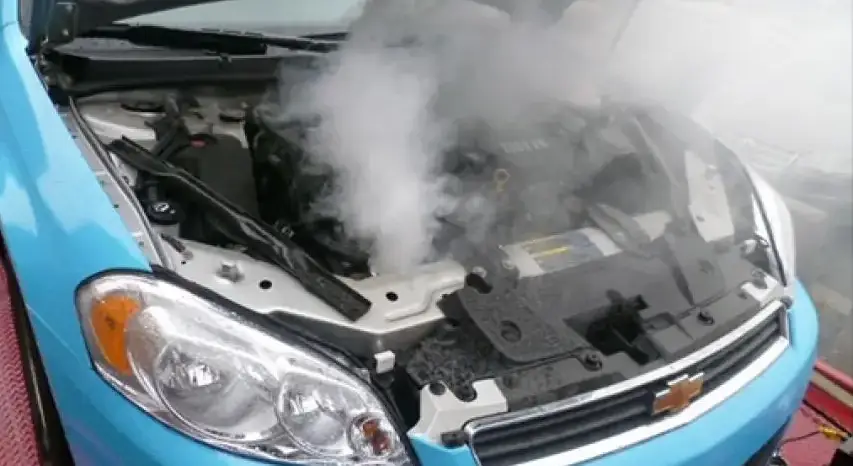
- Steam from under the hood
- Sweet smell (coolant burning)
…it’s time for a professional inspection.
Why Trust TNT Customs Auto Shop?
At TNT Customs in Cheyenne, Wyoming, our team works on everything from daily drivers to fully built off-road rigs. We understand how real-world conditions like towing, off-roading, and extreme weather impact your cooling system.
We don’t just fix overheating issues, we identify the root cause and help prevent it from happening again.
Schedule a Cooling System Inspection
Don’t wait until you’re stranded on the side of the road.
Visit TNT Customs Auto Shop
807 S. Greeley Hwy, Cheyenne, WY
Call to schedule your inspection today