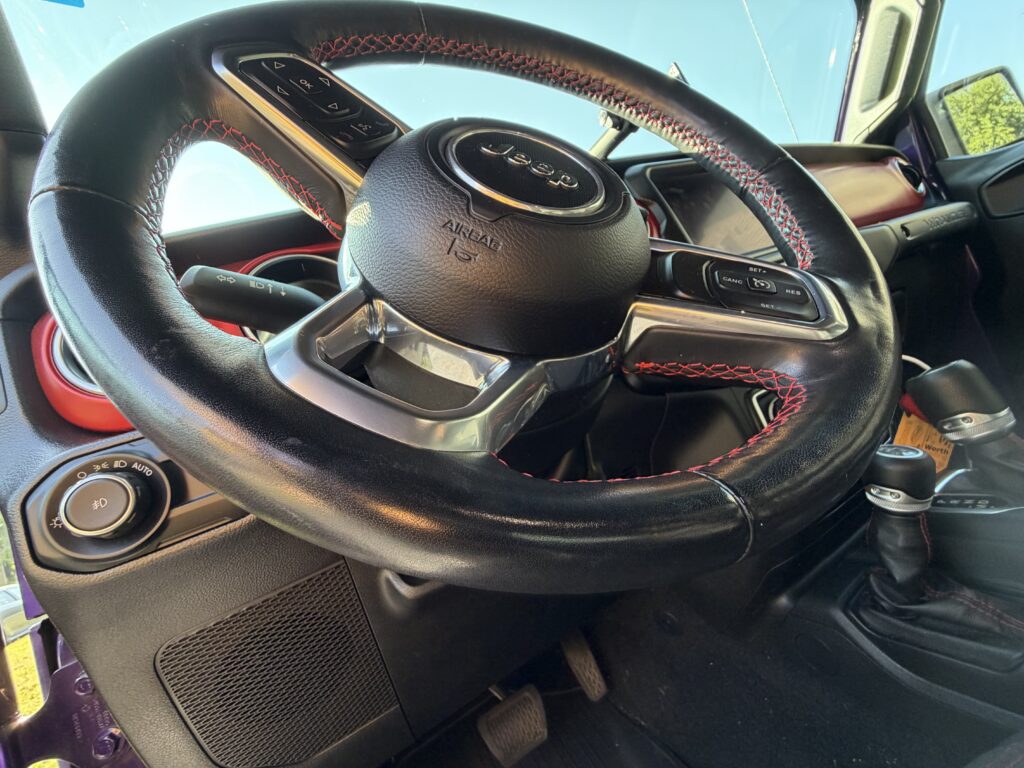
If your steering wheel shakes, vibrates, or wobbles while you’re driving, your vehicle may be trying to tell you something. Sometimes the cause is relatively simple, such as a tire balance issue. Other times, shaking in the steering wheel can point to problems with your brakes, suspension, steering components, tires, or wheel alignment.
At TNT Customs in Cheyenne, Wyoming, our experienced technicians diagnose steering, suspension, tire, brake, and alignment problems to determine what is actually causing the vibration before recommending repairs.
Quick Answer: Why Is My Steering Wheel Shaking?
A shaking steering wheel is commonly caused by unbalanced or damaged tires, wheel alignment problems, worn steering or suspension components, brake issues, or wheel and hub problems.
When the shaking occurs it can provide an important clue:
- Shaking at highway speeds: Often related to tires, wheels, or balance.
- Shaking while braking: May indicate a brake system or wheel/hub issue.
- Shaking over bumps or rough roads: Could point to worn steering or suspension components.
- Shaking at many different speeds: May require a broader inspection of the tires, wheels, steering, and suspension.
Because several problems can produce similar symptoms, an inspection is the best way to identify the actual cause.

1. Your Tires May Be Out of Balance
One of the most common reasons for a steering wheel to shake, especially at higher speeds, is an out-of-balance tire and wheel assembly.
Even a relatively small imbalance can create noticeable vibration as the wheel rotates faster.
You may notice:
- Steering wheel vibration around highway speeds
- Vibration that becomes stronger as speed increases
- Shaking after installing or rotating tires
- Uneven or unusual tire wear
If your steering wheel is smooth around town but starts vibrating once you reach highway speeds, tire balance is one of the first things worth checking.
2. Your Tires May Be Worn or Damaged
Not every tire-related vibration is caused by balance.
A tire with uneven tread wear, internal damage, a bulge, separation, or another defect can create a repeating vibration that you feel through the steering wheel.
Check your tires for:
- Uneven tread wear
- Bulges or bubbles
- Visible damage
- Unusually worn sections of tread
- Incorrect tire pressure
If you see a bulge, exposed cords, severe damage, or signs that a tire may be failing, avoid driving on it and have it inspected as soon as possible.
3. Your Vehicle May Need a Wheel Alignment
A wheel alignment problem doesn’t always cause steering wheel shaking by itself, but improper alignment can contribute to uneven tire wear and poor handling, which may eventually lead to vibration.
Other signs your alignment should be checked include:
- Vehicle pulling to one side
- Steering wheel sitting off-center
- Uneven tire wear
- Vehicle feeling unstable or wandering
- Steering that doesn’t feel quite right
Potholes, curbs, rough roads, and impacts can all affect alignment.
For drivers around Cheyenne and throughout Wyoming, rough roads and changing road conditions can make regular tire, suspension, and alignment inspections especially worthwhile.
4. There Could Be a Brake Problem
Does your steering wheel shake primarily when you press the brake pedal?
That timing is an important diagnostic clue.
Brake-related vibration may be caused by excessive rotor runout, thickness variation, uneven friction material transfer, sticking brake components, or other brake and wheel/hub issues.
You may notice:
- Steering wheel vibration when braking
- Pulsation through the brake pedal
- Shaking that becomes worse during harder braking
- Unusual brake noises
- Reduced braking performance
Because your brakes are a critical safety system, new or worsening vibration while braking should be inspected rather than ignored.
5. Worn Steering Components Can Cause Shaking
Your steering system contains several components that help keep your vehicle stable and allow you to control its direction.
As these components wear, excessive movement or play can develop.
Depending on your vehicle, potential problem areas may include:
- Tie rods
- Ball joints
- Steering linkage
- Steering rack components
- Other steering joints or bushings
You might also notice loose steering, clunking noises, wandering, or difficulty keeping the vehicle tracking straight.
6. Worn Suspension Components May Be the Problem
Your suspension does much more than make your ride comfortable. It helps keep the tires in consistent contact with the road and controls vehicle movement.
Worn or damaged suspension components can contribute to shaking, instability, and uneven tire wear.
Possible causes include:
- Worn shocks or struts
- Worn control arm bushings
- Ball joint wear
- Loose or damaged suspension components
- Other suspension-related problems
If the shaking is accompanied by bouncing, clunking, uneven tire wear, or poor handling, the suspension should be inspected.
7. A Bent or Damaged Wheel Could Cause Vibration
A pothole, curb strike, or hard impact can bend or damage a wheel.
When a wheel no longer rotates true, it can create vibration that becomes more noticeable at certain speeds.
This is one reason it’s helpful to tell your technician when the shaking started. If the vibration appeared immediately after hitting a pothole or other road hazard, that information can help narrow down the diagnosis.
8. Wheel Bearings or Hub Components Could Be Worn
Wheel bearing or hub problems can sometimes create vibration or looseness that is felt through the steering wheel.
Other symptoms may include:
- Humming or growling noises
- Noise that changes when turning
- Wheel looseness
- Uneven tire wear
- Changes in handling
A failing wheel bearing can become a serious safety concern, so unusual wheel noise combined with vibration should be inspected promptly.
Why You Shouldn’t Ignore a Shaking Steering Wheel
A steering wheel vibration isn’t something you should simply get used to.
Even if the vehicle still drives, the shaking may indicate a problem that can lead to accelerated tire wear, reduced handling, additional component wear, or compromised braking and steering performance.
Finding the cause early may also prevent a smaller problem from contributing to additional repairs later.
Is It Safe to Drive With a Shaking Steering Wheel?
It depends on the cause and severity.
A slight vibration from a tire imbalance is very different from severe shaking caused by a damaged tire, loose steering component, wheel bearing problem, or brake issue.
Stop driving and have the vehicle evaluated promptly if:
- The shaking suddenly becomes severe
- The vehicle is difficult to control
- You notice a tire bulge or obvious tire damage
- The steering feels loose
- You hear grinding, heavy clunking, or other unusual noises
- The vehicle shakes heavily while braking
- The vibration started immediately after a significant impact
When steering or braking behavior changes suddenly, it’s better to have the vehicle inspected than assume the problem is harmless.
How Do You Diagnose a Shaking Steering Wheel?
Diagnosing steering wheel vibration involves looking at when the vibration occurs and inspecting the systems most likely to cause it.
Depending on the symptoms, a technician may inspect:
- Tires and tire pressure
- Tire tread and wear patterns
- Wheel balance
- Wheels for damage
- Wheel alignment
- Brake components
- Wheel bearings and hubs
- Steering linkage and components
- Suspension components
The goal isn’t simply to make the vibration disappear. It’s to determine why it is happening in the first place.
Steering & Suspension Inspection in Cheyenne, WY
If you’ve been asking, “Why is my steering wheel shaking?”, bring your vehicle to TNT Customs in Cheyenne, Wyoming.
Our team works on daily drivers, trucks, Jeeps, and 4x4s and can inspect your tires, brakes, steering, suspension, and alignment to help identify what’s causing the vibration.
Whether your steering wheel shakes on the highway, while braking, or all the time, we’ll help track down the source of the problem and explain what needs attention.
TNT Customs
807 S. Greeley Hwy
Cheyenne, WY
307-775-9565
Frequently Asked Questions About Steering Wheel Shaking
Why does my steering wheel shake at 60–70 mph?
A steering wheel that begins shaking at highway speeds is commonly associated with a tire or wheel issue, such as improper balance, uneven tire wear, tire damage, or a bent wheel. Steering and suspension problems can also contribute, so an inspection may be needed to confirm the cause.
Why does my steering wheel shake when I brake?
If the steering wheel shakes primarily during braking, the problem may involve the brake rotors, friction surfaces, calipers, wheel hubs, or other brake-related components. A brake inspection can determine the specific cause.
Can bad alignment cause my steering wheel to shake?
Improper wheel alignment is more commonly associated with pulling, an off-center steering wheel, and uneven tire wear. However, the uneven tire wear that develops from an alignment problem can contribute to vibration.
Can low tire pressure cause steering wheel vibration?
Incorrect tire pressure can affect handling and tire wear and may contribute to vibration in some situations. Check your tire pressures against the vehicle manufacturer’s recommended cold tire pressure, usually listed on the driver’s door-jamb placard.
Can worn ball joints cause steering wheel shaking?
Yes. Excessive wear in ball joints or other steering and suspension components can allow unwanted wheel movement and contribute to vibration, looseness, clunking, or poor handling.
Why does my steering wheel shake after hitting a pothole?
A hard pothole impact can damage a tire or wheel and may affect steering, suspension, or alignment components. If shaking begins immediately after hitting a pothole, have the tire, wheel, alignment, steering, and suspension inspected.
Will balancing my tires fix a shaking steering wheel?
It can if tire/wheel imbalance is the cause. However, balancing won’t correct vibration caused by a damaged tire, bent wheel, worn suspension component, brake issue, or wheel bearing problem. Proper diagnosis helps avoid replacing or servicing parts that aren’t causing the vibration.
How soon should I have a shaking steering wheel checked?
New, persistent, or worsening steering wheel vibration should be inspected soon. If the shaking is severe or is accompanied by loose steering, braking problems, unusual noises, or visible tire damage, avoid continued driving until the vehicle can be safely evaluated.