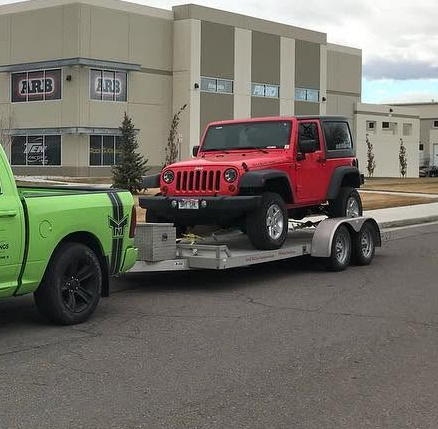
Towing and hauling put far more stress on your vehicle than everyday driving. Whether you’re pulling a trailer, hauling equipment, or loading up your truck for work, skipping key maintenance can lead to breakdowns, unsafe driving conditions, and costly repairs.
At TNT Customs, we see the damage caused by neglected towing maintenance every year especially in trucks and SUVs that work hard in Wyoming’s demanding conditions. This guide breaks down the most important maintenance items you should never skip when towing or hauling and explains why they matter.
Quick Answer
If you regularly tow or haul heavy loads, you should never skip maintenance on your transmission, brakes, cooling system, tires, suspension, and hitch components. Towing places extra stress on your vehicle, making routine inspections and timely service essential for preventing breakdowns, improving safety, and extending the life of your truck or SUV.
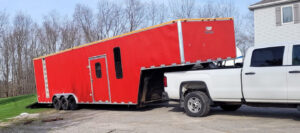
Why Towing and Hauling Require Extra Maintenance
Towing increases:
- Engine load and heat
- Transmission stress
- Brake wear
- Suspension strain
- Tire pressure demands
Vehicles that tow regularly need more frequent inspections and service than vehicles used for light commuting.
Skipping maintenance may not cause immediate failure but it often leads to progressive damage that shows up when you need your vehicle most.
1. Transmission Service (Absolutely Critical)
Why it matters
Your transmission works significantly harder when towing. Heat buildup is the #1 cause of transmission failure.
What to check
- Transmission fluid condition and level
- Signs of overheating or slipping
- Proper service intervals based on towing use
Pro tip: If you tow regularly, transmission service intervals should be shorter than standard recommendations.
2. Cooling System Maintenance
Why it matters
Towing generates excess heat, especially during:
- Long pulls
- Mountain driving
- Summer temperatures
An overheating engine can lead to warped heads, blown head gaskets, or total engine failure.
What to check
- Coolant condition and level
- Radiator and hoses
- Fan operation
- Signs of leaks
3. Brake Inspections (More Than Just Pads)
Why it matters
Stopping power is critical when towing. Added weight increases braking distance and heat.
What to inspect
- Brake pads and rotors
- Brake fluid condition
- Trailer brake operation (if equipped)
- Calipers and hardware
Worn brakes while towing significantly increase the risk of brake fade and loss of control.
4. Tires and Tire Pressure
Why it matters
Improper tire pressure while towing can cause:
- Blowouts
- Uneven wear
- Poor handling
- Reduced fuel efficiency
What to check
- Load-rated tires
- Correct tire pressure (vehicle + trailer)
- Tread wear and sidewall damage
Important: Tire pressure should be adjusted based on load not just daily driving specs.
5. Suspension and Steering Components
Why it matters
Towing places constant stress on:
- Shocks and struts
- Springs
- Ball joints
- Steering components
Worn suspension parts can cause:
- Poor handling
- Trailer sway
- Uneven tire wear
6. Hitch, Receiver, and Trailer Connections
Why it matters
A worn or improperly rated hitch can be dangerous.
What to inspect
- Hitch rating and condition
- Receiver mounting points
- Safety chains
- Electrical connections
- Trailer wiring and lights
A pre-tow inspection can prevent equipment failure at highway speeds.
7. Differential and Driveline Service
Why it matters
Heavy loads increase stress on:
- Differentials
- Axles
- Driveshafts
Neglected gear oil leads to accelerated wear and expensive repairs.
Warning Signs You Should Never Ignore When Towing
If you notice any of the following, schedule an inspection immediately:
- Burning smells
- Transmission slipping or delayed shifting
- Overheating
- Vibration or trailer sway
- Brake noise or soft pedal feel
Why Preventive Maintenance Matters More Than Emergency Repairs
Preventive towing maintenance:
- Reduces breakdown risk
- Extends vehicle lifespan
- Improves safety
- Saves money long-term
Emergency repairs while towing are almost always more expensive and more dangerous than routine inspections.
Why Trust TNT Customs With Towing & Hauling Maintenance
At TNT Customs, we:
- Work on trucks that tow and haul daily
- Understand real-world load demands
- Inspect vehicles based on how you actually use them
- Prioritize safety, longevity, and performance
Our experience with work trucks, towing setups, and accessory installs allows us to spot issues before they become failures.
Frequently Asked Questions
How often should I service my vehicle if I tow regularly?
If you tow frequently, maintenance intervals should be shorter than standard manufacturer recommendations, especially for transmission, brakes, and cooling systems.
Can towing damage my transmission?
Yes. Heat buildup from towing is a leading cause of transmission failure if fluid and cooling systems aren’t properly maintained.
Should tire pressure be higher when towing?
Yes. Tire pressure should be adjusted based on the total load of the vehicle and trailer to ensure safe handling and prevent blowouts.
Do I need special maintenance for trailer brakes?
Yes. Trailer brakes should be inspected regularly along with brake controllers and electrical connections.
Is it safe to tow without regular inspections?
No. Skipping inspections increases the risk of brake failure, overheating, tire blowouts, and loss of control.
Schedule a Towing & Hauling Inspection
If your vehicle tows or hauls regularly, don’t wait for a breakdown. A professional inspection can help ensure your truck is safe, reliable, and ready for the job.
TNT Customs – Cheyenne, Wyoming
Schedule a towing and hauling maintenance check today.