12 Common Trailer Towing Mistakes (And How to Avoid Them)
Whether you’re towing a utility trailer, camper, enclosed trailer, horse trailer, or equipment trailer, towing safely requires more than simply hooking up and driving away. Even experienced drivers can make mistakes that increase stopping distances, reduce vehicle control, and create dangerous situations on the road.
At TNT Customs in Cheyenne, Wyoming, we help drivers prepare their trucks and trailers for safe towing. Here are some of the most common trailer towing mistakes and how you can avoid them.
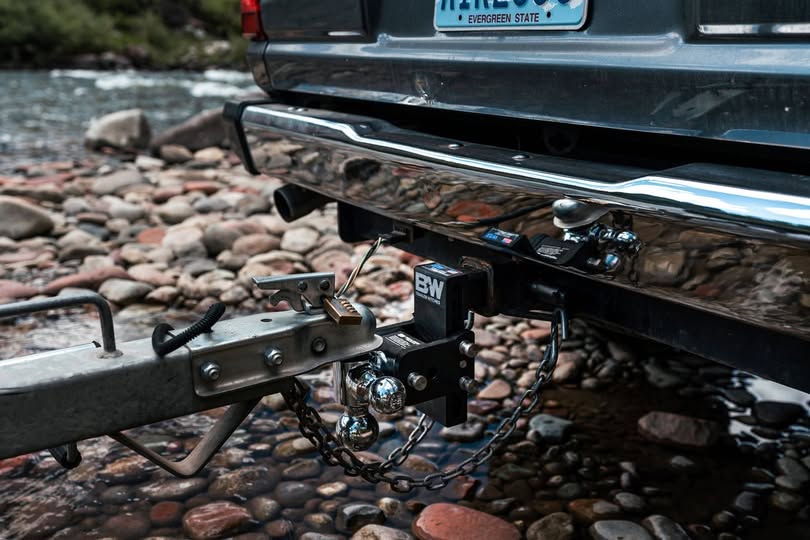
1. Choosing the Wrong Hitch
Not every hitch is designed for every trailer.
Using the wrong hitch or an underrated ball mount can overload your towing equipment and create unsafe towing conditions.
Before towing, verify:
- Hitch receiver class
- Ball size
- Tongue weight rating
- Gross trailer weight
- Tow vehicle capacity
When in doubt, have your towing setup inspected by a professional.
2. Ignoring Your Vehicle’s Tow Rating
One of the biggest mistakes is assuming your truck can tow anything.
Every vehicle has limits based on:
- Engine
- Transmission
- Axle ratio
- Suspension
- Cooling system
Exceeding those limits increases wear and can make your vehicle difficult to control.
3. Improper Trailer Loading
Poor weight distribution causes trailer sway and handling problems.
A properly loaded trailer should have approximately 10–15% of the trailer’s weight on the hitch (tongue weight).
Too much weight in the rear can make the trailer unstable.
4. Forgetting to Check Tire Pressure
Trailer tires can often sit for weeks or months.
Before every trip check:
- Tow vehicle tire pressure
- Trailer tire pressure
- Tire condition
- Tread depth
Underinflated tires are one of the leading causes of trailer blowouts.
5. Skipping Trailer Light Checks
Before pulling away, verify:
- Brake lights
- Turn signals
- Running lights
- Reverse lights (if equipped)
A simple two-minute inspection can prevent accidents and traffic citations.
6. Not Inspecting Safety Chains
Safety chains are your backup if the trailer becomes disconnected.
Always:
- Cross chains underneath the tongue
- Leave enough slack for turns
- Make sure hooks are secure
7. Forgetting the Trailer Brake Controller
Many trailers require electric brakes.
Before every trip:
- Test the brake controller
- Verify brake operation
- Adjust gain as needed
Properly functioning trailer brakes greatly improve stopping performance.
8. Driving Too Fast
Trailers require:
- Longer stopping distances
- Wider turns
- More following distance
High speeds increase trailer sway and reduce reaction time.
9. Not Checking Wheel Bearings
Trailer wheel bearings require regular maintenance.
Signs they may need service include:
- Excessive heat
- Grinding noises
- Grease leaking from hubs
- Uneven tire wear
Ignoring bearings can lead to wheel failure.
10. Forgetting to Secure the Load
Cargo should never shift during transport.
Use:
- Ratchet straps
- Tie-downs
- Cargo nets
- Load bars
Stop after the first few miles to verify everything remains secure.
11. Skipping a Walk-Around Inspection
Before every trip perform a complete inspection.
Check:
- Hitch latch
- Coupler lock
- Safety chains
- Breakaway cable
- Wiring connector
- Tire pressure
- Lug nuts
- Lights
- Cargo
This quick inspection takes only a few minutes.
12. Waiting Until Something Breaks
Preventive maintenance helps avoid breakdowns on the road.
Routine trailer maintenance includes:
- Bearing service
- Brake inspections
- Suspension inspection
- Tire replacement
- Wiring repairs
- Hitch inspection
Regular inspections help keep your trailer safe and road-ready.
Trailer Towing Safety Checklist
Before every trip:
→ Hitch locked
→ Ball secured
→ Safety chains crossed
→ Breakaway cable connected
→ Lights working
→ Trailer brakes tested
→ Tire pressure checked
→ Cargo secured
→ Mirrors adjusted
→ Weight distributed properly
Why Choose TNT Customs for Your Towing Setup?
Whether you’re towing a camper, work trailer, utility trailer, or enclosed trailer, having the right equipment makes all the difference.
At TNT Customs, we help customers choose the right towing setup for their needs. We offer B&W hitches along with professional hitch installation and towing accessories to help you tow with confidence.
Our team can also inspect your hitch, wiring, trailer brakes, and towing equipment to help ensure everything is ready before your next trip.
Frequently Asked Questions
What is the biggest mistake people make when towing a trailer?
Improper trailer loading and exceeding the vehicle’s towing capacity are two of the most common mistakes. Both can lead to poor handling and increased stopping distances.
How much tongue weight should a trailer have?
Most bumper-pull trailers should have approximately 10–15% of the trailer’s total weight on the hitch for stable towing.
How often should trailer wheel bearings be serviced?
Many manufacturers recommend inspecting or repacking wheel bearings every 12 months or approximately every 12,000 miles, though heavy use or water exposure may require more frequent service.
Do I need trailer brakes?
Many states require trailer brakes once a trailer exceeds a certain weight. Even when not legally required, trailer brakes improve stopping performance and overall safety.
How often should I inspect my trailer?
A quick walk-around inspection should be performed before every trip, with more comprehensive inspections completed at least annually.