What Are Winter Car Care Tips for Cold Weather Driving?
When temperatures drop, your car faces extra challenges. Preparing your vehicle for winter driving is essential to avoid costly breakdowns and stay safe on icy roads. At TNT Customs Auto Repair in Cheyenne, Wyoming, our certified technicians can inspect your vehicle and help you stay ready for the road ahead.
If you prefer a DIY approach, here’s your complete winter car care checklist for smooth, safe, and worry-free driving this season.
1. Check Antifreeze Levels — Protect Your Engine
Cold temperatures can freeze engine fluids, causing severe damage. Keep your antifreeze (coolant) at the correct level and maintain a 50/50 mix of antifreeze and water. This balance prevents freezing and overheating, protecting your engine all winter long.
Pro Tip: If your coolant looks rusty or sludgy, it’s time for a remove and refill.
2. Winter Tires — Get Better Traction on Icy Roads
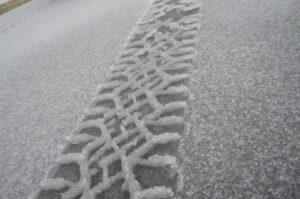
Regular tires harden in cold temperatures, reducing grip. Switch to winter tires for better traction and shorter stopping distances.
-
Check tread depth (at least 6/32”)
-
Maintain proper tire pressure — it drops about 1 PSI for every 10°F decrease in temperature
For expert tire inspections and installation, visit TNT Customs — we’ll make sure your tires are winter-ready.
3. Battery Health — Cold Weather’s Hidden Threat
Cold temperatures slow your battery’s chemical reactions, reducing performance. Have your battery tested, and if it’s over three years old, consider replacing it.
Keep jumper cables or a jump starter in your vehicle — batteries can fail without warning in freezing temps.
4. Lights and Visibility — See and Be Seen
With shorter days and longer nights, visibility is key. Check that your headlights, brake lights, and turn signals all work properly. Clean off dirt and snow buildup regularly.
Tip: Upgrade to LED headlights for better nighttime visibility.
5. Windshield Wipers and Washer Fluid — Keep a Clear View
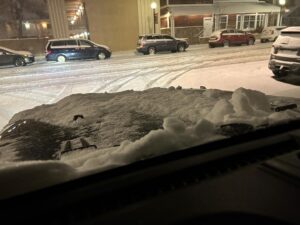
Replace worn-out wiper blades before winter starts and use winter-grade washer fluid that resists freezing.
Keep an extra jug in your trunk — dirty roads and salt spray can quickly deplete your supply.
6. Emergency Kit — Be Prepared for Anything
Every driver should carry a winter emergency kit that includes:
-
Blanket or sleeping bag
-
Flashlight and extra batteries
-
Warm clothes and gloves
-
Ice scraper
-
Non-perishable snacks and water
-
First aid kit
Optional: Add a small shovel, traction mats, and a portable phone charger.
7. Inspect Brakes and Brake Fluid — Reliable Stopping Power
Your brakes work harder in cold and slippery conditions. Check brake pads, rotors, and brake fluid levels to ensure your system responds quickly.
If you hear squealing or grinding, schedule a brake inspection immediately.
8. Check the Exhaust System — Prevent Dangerous Leaks
Exhaust leaks can lead to carbon monoxide entering your cabin, especially when idling with windows closed. Have your exhaust system checked for leaks and corrosion.
9. Undercarriage Protection — Shield Against Salt and Corrosion
Salt and de-icing chemicals can eat away at your undercarriage. Protect your vehicle with undercoating or rustproofing to extend its lifespan.
TNT Customs offers professional undercoating and rust protection — call us to schedule an appointment before winter hits!
Following this winter car care checklist ensures safe, reliable driving no matter how cold it gets. Whether you’re preparing for daily commutes or long trips, these maintenance tips help prevent breakdowns and improve performance.
If you’d rather leave it to the experts, visit TNT Customs Auto Shop in Cheyenne, WY, for a complete winter inspection and undercarriage protection service.
FAQs: Winter Car Care and Cold Weather Driving
1. How often should I check my tire pressure in winter?
Check tire pressure at least once a month. Cold air causes tire pressure to drop, which affects traction and fuel economy.
2. Can I use regular washer fluid during winter?
No. Regular washer fluid can freeze in cold weather. Always use winter-grade fluid designed to resist freezing temperatures.
3. Why does my battery die more often in cold weather?
Cold temperatures slow the chemical reactions in your car battery, making it harder to start your vehicle. A weak or old battery is more likely to fail.
4. How can I prevent my doors from freezing shut?
Apply silicone spray or rubber conditioner to door seals to prevent them from sticking in freezing temperatures.
5. What is the ideal antifreeze ratio for winter?
A 50/50 mix of antifreeze and distilled water provides optimal freeze and boil protection.