What Does Your Tire Pressure Sensor (TPMS) Light Mean?
If your tire pressure warning light suddenly turns on, it can be confusing especially if your tires don’t look flat.
At TNT Customs in Cheyenne, Wyoming, we regularly help drivers diagnose tire pressure monitoring system (TPMS) alerts. In many cases, the problem is simply temperature changes. In other situations, it could indicate low tire pressure, a slow leak, or a faulty sensor.
Understanding what your tire pressure light means can help you drive safer, avoid premature tire wear, and prevent costly repairs.
Why Does Proper Tire Pressure Matter?
Your tires are the only part of your vehicle that touches the road, so maintaining proper pressure is critical for safe driving.
Correct tire pressure helps provide:
✅ Better handling and braking
✅ Improved fuel efficiency
✅ Even tire wear and longer tire life
✅ Reduced risk of blowouts or tire damage
At our shop, we often see vehicles come in with uneven tire wear simply because the tires were running underinflated for months.
A simple monthly pressure check can significantly extend the life of your tires.
What Is the Recommended Tire Pressure for Your Vehicle?
The recommended tire pressure is set by the vehicle manufacturer and is usually found in three places:
• A sticker inside the driver’s door jamb
• The owner’s manual
• Occasionally inside the fuel door
Most passenger vehicles fall between 30–36 PSI, but it varies by vehicle.
⚠️ Important:
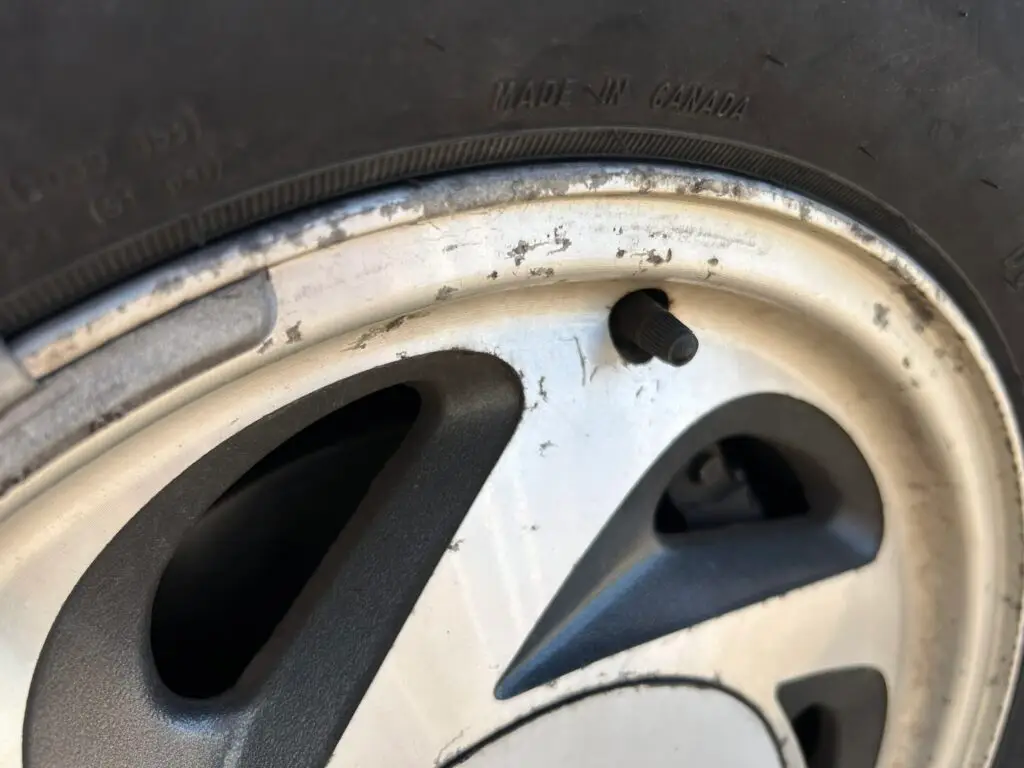
The number on the tire sidewall is the maximum pressure the tire can handle, not the recommended pressure for your vehicle.
Why Does the Tire Pressure Light Turn On in Cold Weather?
Cold temperatures cause air pressure inside tires to drop.
A good rule of thumb:
For every 10°F drop in temperature, tire pressure decreases by about 1–2 PSI.
This is why many drivers see the TPMS light appear in fall and winter, even if the tires don’t have a leak.
In Cheyenne, where temperatures can change quickly, we see this happen frequently during early winter cold snaps. Once temperatures rise again, tire pressure may increase naturally.
Why Does Tire Pressure Increase After Driving?
As you drive, your tires warm up and the air inside them expands.
This causes the pressure to rise slightly.
That’s why mechanics always recommend checking tire pressure when the tires are cold, such as:
• Before driving
• Or after the vehicle has been parked for several hours
Checking tire pressure right after driving can give a higher reading than normal.
What Does the TPMS Warning Light Mean?
Modern vehicles include a Tire Pressure Monitoring System (TPMS) that alerts you when tire pressure drops below a safe level.
Here are the two most common alerts.
Low Tire Pressure Warning
This symbol usually looks like a horseshoe with an exclamation mark.
It means one or more tires are below the recommended pressure.
Steps to take:
-
Check all four tires
-
Inflate to the recommended PSI
-
Drive a few minutes to allow the system to reset
Blinking TPMS Light
If the TPMS light flashes before staying on, the system itself may have a malfunction.
Common causes include:
• Dead TPMS sensor battery
• Damaged sensor
• Sensor communication issue
• Wheel replacement without sensor programming
At TNT Customs, we diagnose these issues regularly, especially during tire replacements or seasonal wheel swaps.
What Happens If Tire Pressure Is Too Low?
Driving with low tire pressure can cause several problems.
Low pressure increases the amount of tire surface touching the road, which leads to:
• Reduced fuel efficiency
• Faster tire wear
• Tire overheating
• Higher risk of blowouts
• Poor handling and braking
In our shop, we often see tires that wear out thousands of miles early due to chronic underinflation.
How Often Should You Check Tire Pressure?
Most drivers should check tire pressure at least once per month.
You should also check pressure:
• Before long road trips
• When temperatures change significantly
• If the TPMS warning light appears
Tires naturally lose about 1–2 PSI per month, even without a leak.
Tips for Managing Tire Pressure in Wyoming Winters
Cold weather in Wyoming can cause frequent tire pressure fluctuations.
Here are a few tips we recommend to our customers.
✔ Check tire pressure regularly during winter months
✔ Use a reliable tire pressure gauge
✔ Inflate tires to the manufacturer’s recommended PSI
✔ Do not overinflate tires to “compensate” for cold weather
✔ Inspect tires if pressure drops repeatedly
If your TPMS light comes on after a cold snap, it’s usually just a pressure adjustment issue.
When Should You Have TPMS Checked by a Mechanic?
You should have your tire pressure system inspected if:
• The TPMS light stays on after inflating tires
• The light flashes repeatedly
• Tire pressure drops frequently
• You recently installed new tires or wheels
At TNT Customs, we can quickly diagnose sensor issues and make sure your system is working correctly.
Frequently Asked Questions About Tire Pressure
Why does my tire pressure light turn on when it’s cold?
Cold air contracts, causing tire pressure to drop about 1–2 PSI for every 10°F decrease in temperature.
Is it safe to drive with the TPMS light on?
You can drive short distances, but you should check tire pressure as soon as possible to avoid unsafe conditions.
How do I reset my tire pressure light?
Many vehicles automatically reset after driving a few minutes once the tires are properly inflated. Some require a manual reset through the dashboard menu.
Can a tire pressure sensor go bad?
Yes. TPMS sensors contain small batteries that typically last 5–10 years.
Does the spare tire affect the TPMS light?
On some vehicles, yes. If the spare tire has a sensor and loses pressure, it can trigger the warning light.
Tire Pressure Help in Cheyenne, WY
At TNT Customs in Cheyenne, we help drivers stay safe on the road by checking tire pressure, diagnosing TPMS alerts, and making sure tires are wearing properly.
If your tire pressure light is on or your tires look unevenly worn, stop by our shop and we’ll take a look.
TNT Customs
807 S. Greeley Hwy
Cheyenne, WY
Our technicians are always happy to help you keep your vehicle running safely on the road or on the trail.