By TNT Customs Auto Repair – Cheyenne, Wyoming
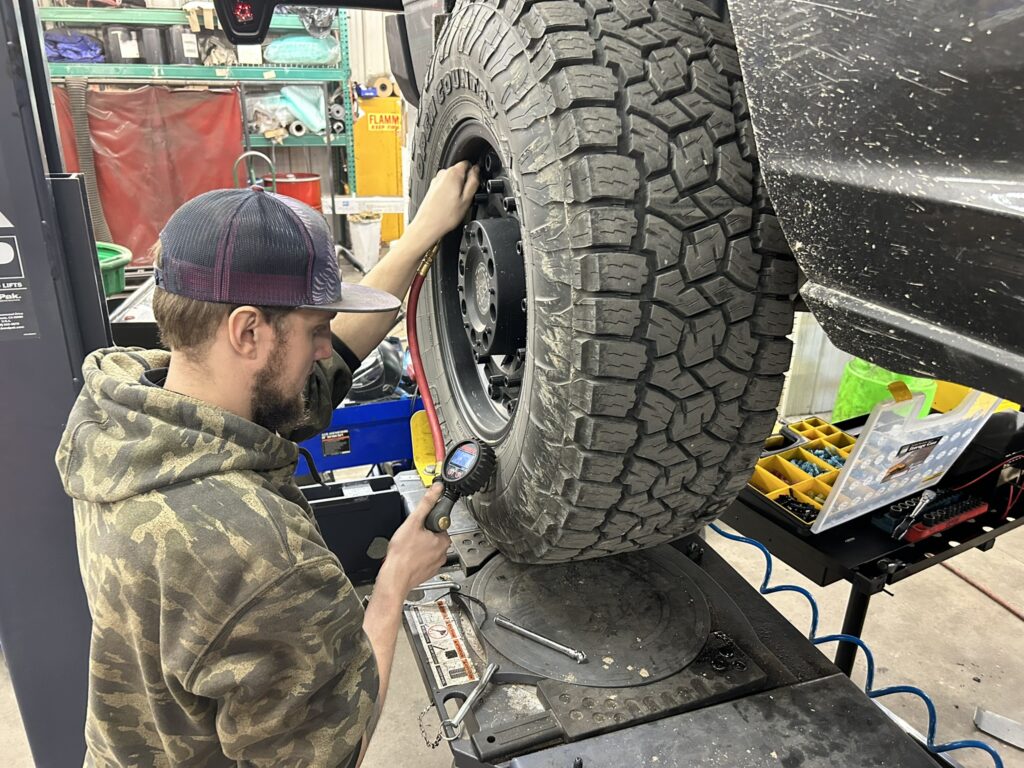
Proper tire care isn’t just routine maintenance it’s one of the most important safety steps every driver can take. Your tires are the only part of your vehicle that actually touch the road, which means their condition directly affects handling, braking, traction, fuel economy, and overall safety. At TNT Customs, we’ve spent over 20 years helping drivers and off-roaders protect their vehicles, and tire maintenance is always at the top of our checklist.
Why Is Tire Care So Important?
Maintaining your tires should be a standard part of your vehicle care routine. Here’s why:
-
Safety: Properly maintained tires improve traction and reduce the risk of blowouts.
-
Fuel Efficiency: Correct tire pressure helps your engine use less fuel.
-
Performance: Good tires ensure smoother handling and better stopping power.
-
Longevity: Regular maintenance prevents uneven wear and saves you from early replacements.
Well-cared-for tires pay you back in safety, performance, and long-term cost savings.
Tire Pressure: What Drivers Ask Most
What is the correct tire pressure for my vehicle?
You’ll find the recommended PSI on the driver’s side door jamb sticker or in the owner’s manual. It varies by vehicle not by what’s written on the tire sidewall.
Why is proper tire inflation so important?
Because both overinflation and underinflation cause problems:
-
Underinflated tires:
-
Poor fuel economy
-
Excessive tire wear
-
Higher chance of overheating and blowouts
-
-
Overinflated tires:
-
Harsher ride
-
Reduced contact patch
-
Uneven, premature wear
-
How often should I check my tire pressure?
At least once a month, and always before a long trip.
In cold Wyoming winters, tire pressure drops quickly so check even more frequently.
How to Check & Inflate Your Tires (Step-by-Step)
-
Find Your Recommended PSI
Look in the owner’s manual or at the sticker inside the driver’s door. -
Use a Reliable Tire Gauge
Check when tires are cold, ideally before driving in the morning. -
Inflate or Deflate as Needed
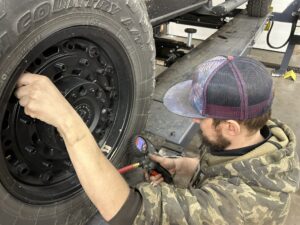
Use an air compressor to adjust to the recommended PSI. -
Don’t Forget Your Spare
A flat spare doesn’t help anyone in an emergency.
How Do I Check Tire Tread Depth?
Tread depth determines how well your tires grip the road, especially in rain, snow, or icy conditions.
The Most Accurate Method: Tread Depth Gauge
Insert the gauge into several tread grooves and compare the readings.
Replace your tires when the tread reaches 2/32″—the legal minimum.
The Penny Test
Place a penny into the tread with Lincoln’s head facing down.
If you can see the top of his head, your tread is worn out and the tire needs replacement.
Why it Matters
Low tread increases the risk of:
-
Hydroplaning
-
Longer stopping distances
-
Poor winter traction
When Should I Rotate My Tires?
Most vehicles need a tire rotation every 5,000 to 8,000 miles, though your owner’s manual will provide exact guidance.
Why Tire Rotation Matters
-
Promotes even wear
-
Improves handling
-
Extends tire life
-
Helps maintain balanced traction
Common Rotation Patterns
Rotation patterns depend on the vehicle’s drivetrain and whether the tires are directional:
-
Forward Cross
-
Rearward Cross
-
X-Pattern
A trained technician can determine the correct pattern during your service.
Additional Tire Care Tips from the TNT Customs Team
1. Inspect Your Tires Often
Look for:
-
Cracks
-
Bulges
-
Sidewall damage
-
Embedded nails, screws, or debris
Early detection prevents dangerous failures.
2. Get Your Tires Balanced
If you feel vibration at certain speeds, balancing may be needed.
This helps eliminate uneven wear and improves ride quality.
3. Check Your Alignment
Misalignment can destroy a set of tires fast.
Signs include:
-
Vehicle pulling to one side
-
Uneven tread wear
-
Off-center steering wheel
4. Seasonal Tire Pressure Changes
Wyoming’s temperature swings cause PSI to fluctuate.
Cold weather = lower tire pressure
Warm weather = higher tire pressure
Checking pressure during seasonal transitions is essential.
Frequently Asked Questions (AEO-Optimized)
How often should I replace my tires?
Most tires last 40,000–60,000 miles, but off-road use, weather, and driving habits can shorten lifespan.
Why is my tire pressure light on?
This usually indicates low pressure, often due to cold weather or a slow leak. Check PSI immediately.
Can I drive with mismatched tires?
It’s not recommended. Uneven tire sizes or tread depths can damage suspension components and reduce safety.
Do I need an alignment after getting new tires?
Yes, aligning helps ensure your new tires wear evenly and last longer.
Final Thoughts: Keep Your Ride Safe & Trail-Ready
Tires are one of the most important safety components on your vehicle, and maintaining them doesn’t take long but it has a major impact on your driving experience. By checking your tire pressure regularly, monitoring tread depth, and keeping up with rotations, you’ll protect your investment and stay safer on the road.
If you’re unsure about any part of tire maintenance, the technicians at TNT Customs Auto Repair in Cheyenne, WY are here to help. Whether you’re a daily commuter, weekend adventurer, or seasoned off-roader, we’ll make sure your tires and your vehicle are ready for any terrain.