One of the easiest and most affordable ways to protect your engine is by regularly replacing your engine air filter usually when you get an oil change.
Most vehicles need a new engine air filter every 12,000–15,000 miles, but drivers who frequently travel on dusty roads, gravel roads, or off-road trails should inspect and replace their air filter more often.
A clean air filter helps your engine breathe properly, improving fuel efficiency, engine performance, and long-term reliability.
At TNT Customs in Cheyenne, Wyoming, we often see noticeable improvements in throttle response and fuel economy simply by replacing a clogged air filter during routine maintenance.
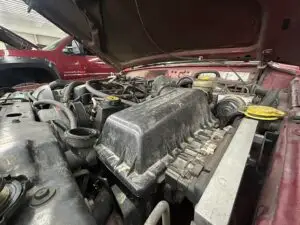
Regular checks and changes of your Jeep’s engine air filter ensure peak performance and protect your engine from dirt and debris.
Quick Engine Air Filter Facts
✅Replace your engine air filter every 12,000–15,000 miles
✅Check it more often if you drive on dusty or gravel roads
✅A dirty air filter can reduce fuel economy and engine power
✅Replacing an air filter is one of the easiest DIY vehicle maintenance tasks
✅Clean airflow helps your engine maintain the proper air-fuel mixture
Why Regular Engine Air Filter Changes Are Important
Your engine air filter traps dust, dirt, debris, pollen, and other contaminants before they reach your engine. Without proper filtration, these particles could enter the engine and cause internal wear. Replacing your engine air filter regularly helps:
✅Improve fuel economy
✅Restore engine power and acceleration
✅Protect internal engine components
✅Maintain proper engine airflow
✅Extend the life of your engine
Even a partially clogged filter can restrict airflow, forcing the engine to work harder than necessary.
Signs Your Engine Air Filter Needs Replacement
A dirty air filter can cause several noticeable symptoms.
Common signs include:
Reduced Fuel Economy
Restricted airflow can cause your engine to burn more fuel than necessary.
Sluggish Acceleration
If your vehicle feels less responsive when pressing the gas pedal, a clogged air filter may be restricting airflow.
Dirty or Dark Filter Appearance
If you remove the filter and it looks dark or filled with debris, it’s time for a replacement.
Engine Running Rough
Restricted airflow can affect the air-fuel mixture and engine performance.
Check Engine Light (Sometimes)
In some vehicles, severe airflow restrictions can trigger engine performance alerts.
Risks of Not Changing Your Engine Air Filter
Neglecting your air filter can lead to several problems over time.
Reduced Engine Performance
A clogged air filter limits airflow, which reduces horsepower and acceleration.
Poor Fuel Economy
Your engine may burn more fuel when airflow is restricted.
Engine Wear and Damage
If contaminants bypass a dirty filter, they can enter the engine and cause internal wear.
Increased Emissions
Improper combustion caused by poor airflow can increase vehicle emissions.
Are Premium Engine Air Filters Worth It?
Premium engine air filters often use higher-quality filtration materials designed to trap smaller particles while maintaining good airflow.
They may be beneficial if you frequently drive:
✅On gravel roads
✅In dusty environments
✅On off-road trails
✅In rural areas
However, standard OEM-style filters work perfectly well for most daily drivers.
The most important factor is regular inspection and replacement, regardless of filter type.
How to Check Your Engine Air Filter
Checking your air filter only takes a few minutes.
Step-by-Step
-
Open your hood.
-
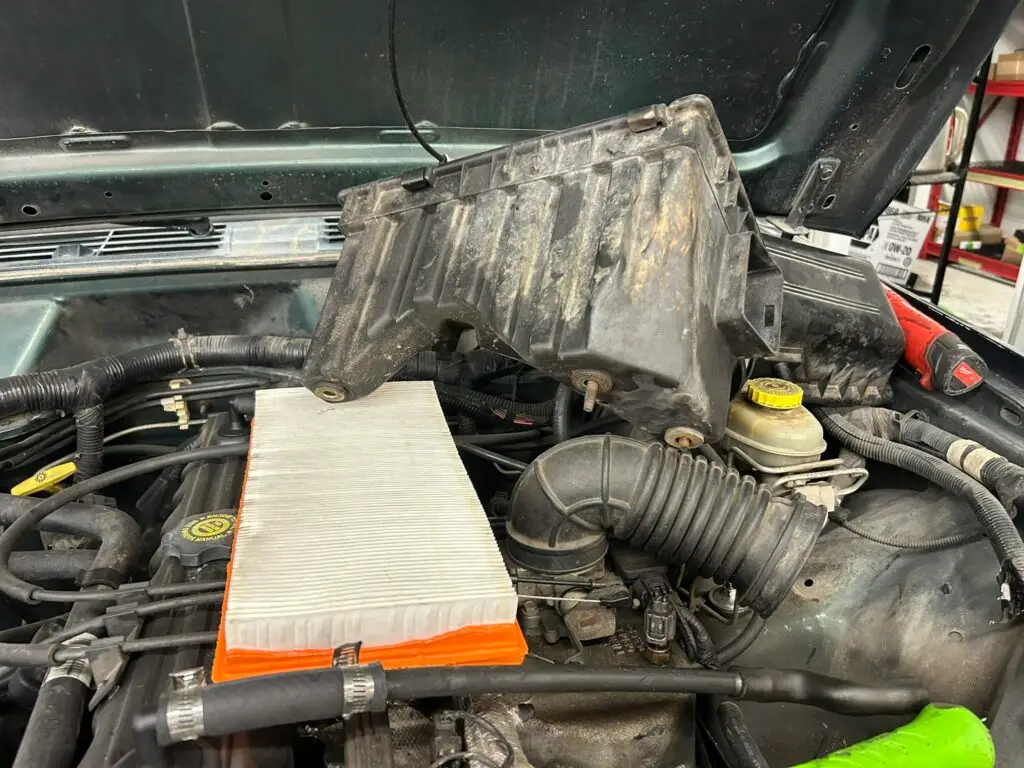
Locate the air filter housing (usually a black plastic box near the engine).
-
Release the clips or remove the screws.
-
Remove the air filter.
-
Hold it up to the light.
If light barely passes through the filter or it appears dirty, it’s time to replace it.
How Often Should Jeep Owners Replace Their Air Filter?
Jeep owners, especially those who enjoy off-roading, may need to replace air filters more frequently.
Dust, mud, and trail debris can clog filters faster than normal highway driving.
If you regularly drive:
✅Off-road trails
✅Dirt roads
✅Gravel roads
✅Construction areas
You should inspect your air filter every 8,000–10,000 miles.
FAQs About Engine Air Filters
How do I know if my engine air filter is dirty?
A dirty air filter may cause reduced acceleration, poor fuel economy, a dirty filter appearance, or rough engine performance. A visual inspection can quickly confirm whether replacement is needed.
Can a dirty air filter affect gas mileage?
Yes. A clogged air filter restricts airflow to the engine, which can cause the engine to burn more fuel to maintain performance.
Is replacing an air filter something I can do myself?
Yes. Most engine air filters can be replaced in less than five minutes with basic tools or sometimes no tools at all.
Is a premium air filter better than a standard one?
Premium filters may last longer and filter smaller particles, but standard filters work perfectly well for most vehicles when replaced regularly.
Final Thoughts
Replacing your engine air filter is one of the simplest and most affordable maintenance tasks you can do for your vehicle.
A clean air filter helps your engine perform efficiently, improves fuel economy, and protects critical engine components from harmful debris.
If you’re unsure whether your air filter needs replacement, the team at TNT Customs in Cheyenne can inspect it during your next service appointment.
A quick air filter check can help keep your vehicle running smoothly and ready for the road or the trail.