Tire rotation is one of the simplest and most important maintenance services you can do to protect your vehicle, improve safety, and extend the life of your tires. At TNT Customs in Cheyenne, Wyoming, we see firsthand how skipped rotations lead to premature tire wear, poor handling, and unnecessary replacement costs—especially on trucks and Jeeps used for work, towing, or off-road driving.
What Is Tire Rotation?
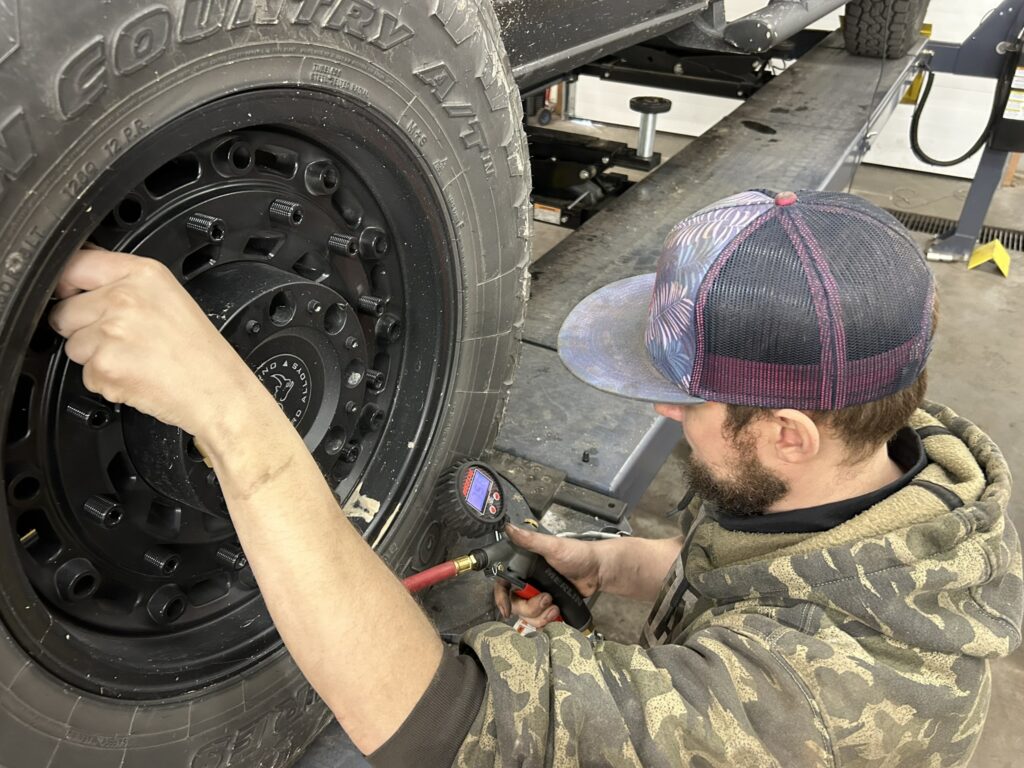
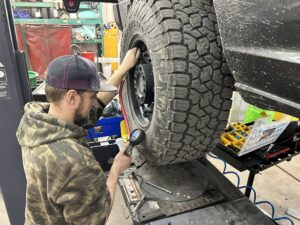
Tire rotation is the process of moving your tires from one position on the vehicle to another to promote even tread wear. Because each tire wears differently depending on its position, rotation helps balance that wear over time.
Top Reasons to Rotate Your Tires
1. Extend Tire Life
Front and rear tires wear at different rates due to steering, braking, and drivetrain forces. Regular rotation helps tires wear evenly, allowing you to get the maximum mileage out of your investment.
2. Improve Safety and Handling
Uneven tire wear can reduce traction, especially in wet, snowy, or icy Wyoming conditions. Rotated tires provide better grip, stability, and braking performance.
3. Maintain Proper Alignment and Ride Quality
Tires that wear unevenly can cause vibration, pulling, or steering issues. Routine rotation helps maintain a smoother ride and can reveal alignment or suspension issues early.
4. Save Money Over Time
Replacing tires early due to uneven wear costs far more than routine maintenance. Tire rotation is a low-cost service that prevents high-cost repairs.
How Often Should You Rotate Your Tires?
For most trucks, SUVs, and Jeeps, tires should be rotated every 5,000–7,500 miles, or at every oil change. Vehicles with aggressive off-road tires, lifted suspensions, or towing setups may benefit from more frequent rotations.
Related: Tire Maintenance
Tire Rotation FAQs
Why is tire rotation important?
Tire rotation ensures even tread wear, improves safety, enhances handling, and extends the life of your tires.
What happens if you don’t rotate your tires?
Skipping tire rotation can lead to uneven wear, reduced traction, noisy tires, poor fuel economy, and early tire replacement.
Does tire rotation affect fuel economy?
Yes. Evenly worn tires roll more efficiently, which can help maintain proper fuel economy.
Do lifted trucks and Jeeps need tire rotation more often?
Yes. Lifted vehicles, larger tires, and off-road use increase uneven wear. Regular rotation is critical to protect your tires and suspension components.
Can tire rotation uncover other problems?
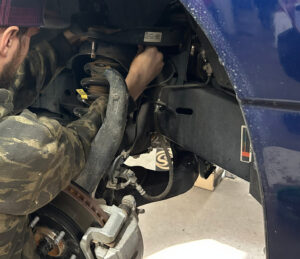
Absolutely. During rotation, technicians can identify issues such as alignment problems, suspension wear, cupping, or tire damage before they become serious.
Trust TNT Customs for Tire Maintenance
At TNT Customs, we work on trucks and Jeeps every day from daily drivers to trail-ready builds. Our team understands how tire wear changes with lifts, aftermarket suspension, towing, and off-road use. We don’t just rotate tires we inspect them with an experienced eye.
📍 Visit TNT Customs in Cheyenne, Wyoming
📞 Schedule your tire rotation today and keep your rig performing at its best.