Engine Protection Advice from TNT Customs
When it comes to oil changes, today’s vehicle owners are often told they can wait 7,500 to even 10,000 miles between services. While those extended intervals may sound convenient, they don’t always reflect real-world driving or what we see every day in the shop.
At TNT Customs, a trusted auto repair, custom build, and truck accessory shop in Cheyenne, Wyoming, we recommend a more proactive approach: changing your oil every 3,000–5,000 miles. This guidance is based on hands-on experience, ASE-certified expertise, and years of maintaining daily drivers, work trucks, and off-road vehicles.
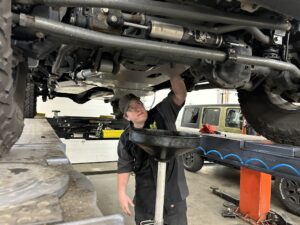
Why Oil Changes Are Critical to Engine Performance
Your engine is a complex system with hundreds of moving parts. Clean, fresh oil is the lifeblood that keeps those parts working together efficiently.
Lubrication & Friction Reduction
Engine oil creates a protective barrier between moving components, reducing friction and wear. As oil ages and breaks down, it loses its ability to protect critical engine parts, increasing long-term wear.
Heat Dissipation
Engines generate significant heat during operation. Oil helps absorb and disperse that heat, preventing overheating. Old or contaminated oil cannot manage heat effectively, increasing the risk of engine damage.
Cleaning & Contaminant Removal
Over time, oil collects dirt, carbon deposits, moisture, and fuel dilution. Regular oil changes remove these contaminants before they can cause internal damage or restrict oil flow.
Preventing Sludge Buildup
As oil degrades, it can form sludge a thick residue that clogs oil passages and starves vital components of lubrication. Routine oil changes are the best defense against sludge-related failures.
Extending Engine Life
Consistent oil maintenance keeps your engine clean, cool, and properly lubricated significantly extending its lifespan and helping you avoid costly repairs or premature engine replacement.
The Myth of Extended Oil Change Intervals
So why do manufacturers promote longer oil change intervals?
- Marketing & Cost-of-Ownership Claims: Longer intervals make vehicles appear cheaper to maintain.
- Synthetic Oil Advancements: Synthetic oil lasts longer, but it still becomes contaminated.
- CAFE Standards: Reduced maintenance intervals help manufacturers meet fuel economy targets.
While extended intervals may work under ideal conditions, most vehicles experience stop-and-go driving, short trips, towing, extreme temperatures, or off-road use all of which require more frequent oil changes.
Why TNT Customs Recommends 3,000–5,000 Mile Oil Changes
Our recommendation is rooted in real-world results not just manufacturer averages.
- Better Engine Protection: Fresh oil maintains lubrication and heat control.
- Improved Performance & Fuel Economy: Clean oil reduces internal resistance.
- Protection for Off-Road, Turbo & Work Vehicles: Harsh conditions demand shorter intervals.
- Lower Long-Term Costs: Preventive maintenance is far less expensive than engine repairs.
What Happens When Oil Changes Are Neglected?
Delaying oil changes can lead to:
- Sludge buildup and restricted oil flow
- Premature wear of internal components
- Reduced fuel efficiency and performance
- Overheating and oil system failures
- Complete engine failure
These issues are common and preventable
with proper maintenance.
How to Maintain Your Oil Like a Pro
- Change oil every 3,000–5,000 miles unless advised otherwise by a trusted technician
- Don’t rely solely on dashboard reminders
- Use high-quality synthetic oil and premium filters
- Adjust intervals for towing, off-roading, and short trips
- Check oil level and condition monthly
Why Choose TNT Customs for Your Oil Change?
At TNT Customs, an oil change includes more than just draining and refilling oil.
✔ ASE-certified technicians ✔ Premium oils and filters ✔ Visual inspection for leaks and potential issues ✔ Experience with daily drivers, work trucks, and off-road builds
Oil Change FAQs
How often should I change my oil?
Most vehicles should have their oil changed every 3,000–5,000 miles, especially older vehicles or those driven in harsh conditions.
Is synthetic oil better than conventional oil?
Yes. Synthetic oil performs better under heat and heavy loads, but it still needs regular changes to remove contaminants.
Can highway driving extend oil change intervals?
Highway driving is easier on oil, but regular monitoring is still essential—especially for high-mileage vehicles.