Recognizing the Signs
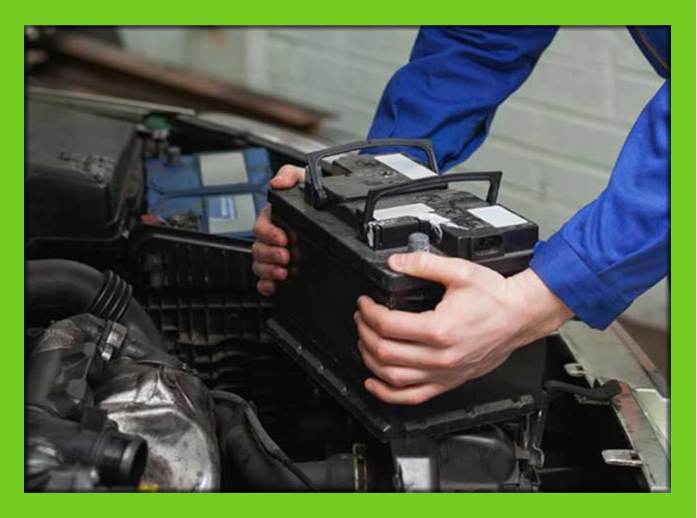
Every car owner knows the frustration of a vehicle that won’t start. Often, the culprit is a battery that has reached the end of its lifespan. Recognizing the signs to replace a vehicle’s battery before it fails completely can save you time, money, and inconvenience. We will guide you through the key indicators that it’s time to replace your vehicle’s battery.
Introduction to Battery Health
A car battery is the lifeline of your vehicle, providing the necessary power to start the engine and running all the electrical components when the engine is off. However, batteries don’t last forever. On average, a car battery lasts between 3 to 5 years, but this can vary based on usage, weather conditions, and the quality of the battery itself. Knowing when to replace your battery can prevent you from being stranded.
Signs It’s Time to Replace Your Battery
Slow Engine Crank
When you turn the ignition key, if the engine turns over more slowly than usual, it’s a clear sign that your battery is struggling. The sluggish start is often the first symptom that your battery is on its way out.
Check Engine Light
The check engine light can indicate a variety of issues, including a weakening battery. If this light comes on, it’s a good idea to have your battery tested to ensure it’s still in good condition.
Swelling Battery Case
Extreme temperatures can cause your battery case to swell and crack. A battery that looks bloated is at risk of sudden failure and should be replaced immediately.
Age of the Battery
If your battery is over three years old, it’s wise to start monitoring its health more closely. Even if you haven’t experienced performance issues, an older battery could fail without warning.
Electrical Issues and Dimming Lights
If you notice the headlights dimming when the car is idling but brightening when you rev the engine, it’s a sign your battery is struggling to maintain power. Similarly, flickering or dim interior lights or a malfunctioning infotainment system can also indicate a battery on its last legs.
Corrosion
Visible corrosion on the battery terminals can lead to poor connections and reduced performance. While cleaning the terminals can temporarily improve the connection, severe corrosion often precedes battery failure and warrants a replacement.
The Battery Doesn’t Hold a Charge
If your battery frequently needs jump-starts or can’t hold a charge even after being fully charged, it’s time to replace it. This indicates that the battery can no longer store the electrical charge needed to start your car.
Don’t Wait to Replace Your Battery
Ignoring the signs that it’s time to replace your vehicle’s battery can lead to unexpected breakdowns and potentially more expensive repairs. Regular inspections and battery tests can help you monitor your battery’s health. If you experience any of the symptoms mentioned above, it’s wise to replace your battery promptly. Doing so will ensure your vehicle remains reliable, starts quickly, and avoids electrical complications.
Remember, your vehicle’s battery is its heartbeat. Don’t wait for a complete failure. Proactively replacing your battery can save you from the hassle and danger of being stranded. Stay ahead of battery issues, and keep your vehicle running smoothly with timely replacements.