What’s the Difference and Why It Matters for Your Engine
Understanding the difference between OAT vs HOAT coolant is essential for protecting your engine, preventing corrosion, and avoiding expensive cooling system repairs. While both coolant types regulate engine temperature and prevent rust buildup, they are not interchangeable.
Mixing coolant types can cause gelling, overheating, corrosion, and water pump damage. Always check your owner’s manual or consult a trusted mechanic before adding coolant to your vehicle.
At TNT Customs, our certified mechanics help drivers choose the correct coolant and perform professional cooling system flushes to keep engines running at peak performance.
Quick Answer: OAT vs HOAT Coolant
OAT coolant (Organic Acid Technology) uses organic additives for long-lasting corrosion protection and is commonly used in newer vehicles.
HOAT coolant (Hybrid Organic Acid Technology) combines organic acids with silicates or phosphates for added protection in mixed-metal engines.
⚠️ Never mix OAT and HOAT coolant. Mixing can reduce cooling performance and cause internal buildup that damages engine components.
The Perils of Mixing Coolants
A Jeeper traveling across the country rolled into our shop at TNT Customs with overheating issues. After diagnosis, our technicians discovered the cooling system contained a mixture of OAT and HOAT coolant that had turned into a thick gel.
The contaminated coolant could not properly circulate through the engine, creating overheating risks and potential component damage.
A complete cooling system flush restored proper function, but the situation could have been avoided by using the correct coolant type from the start.
Mixing coolants can turn a simple road trip into an unexpected repair stop.
What Happens if You Mix OAT and HOAT Coolant?
Mixing OAT and HOAT coolant typically does not cause immediate engine failure, but it contaminates the cooling system and reduces effectiveness.
Potential issues include:
- Reduced heat transfer efficiency
- Sludge or gel formation
- Corrosion of engine components
- Water pump impeller damage
- Heater core blockages
- Overheating under load or extreme temperatures
If coolant types have been mixed, the recommended solution is a complete cooling system flush and refill using the manufacturer-specified coolant.
A coolant flush is a relatively quick service that helps ensure long-term reliability in both hot and cold conditions.
What is OAT Coolant?
OAT (Organic Acid Technology) coolant is a modern coolant formulation designed to provide long-lasting corrosion protection without the use of traditional silicates or phosphates.
OAT coolant uses organic compounds called carboxylates to protect aluminum components commonly found in modern engines.
Benefits of OAT Coolant
- Extended service life (up to 150,000 miles or 10 years)
- Excellent corrosion protection for aluminum engines
- Reduced scale buildup
- Improved long-term cooling system efficiency
OAT coolant is commonly found in newer vehicles including many Jeep, Chrysler, GM, Ford, and import models.
What is HOAT Coolant?
HOAT (Hybrid Organic Acid Technology) coolant combines organic acid corrosion inhibitors with traditional inorganic additives such as silicates.
This hybrid formula provides fast-acting protection for metal surfaces while maintaining long-term corrosion resistance.
Benefits of HOAT Coolant
- Strong corrosion protection for mixed metal engines
- Proven compatibility with many European and domestic vehicles
- Reliable performance in extreme temperatures
HOAT coolant is commonly used in older Jeep, Chrysler, Ford, Mercedes-Benz, and BMW models.
Coolant Colors: Why Color Alone Should Not Be Trusted
Coolant color can vary widely between manufacturers and should not be used as the only method of identification.
Common OAT Coolant Colors
- Orange
- Purple (Mopar)
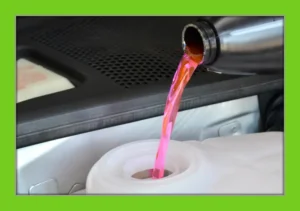
- Pink
- Red
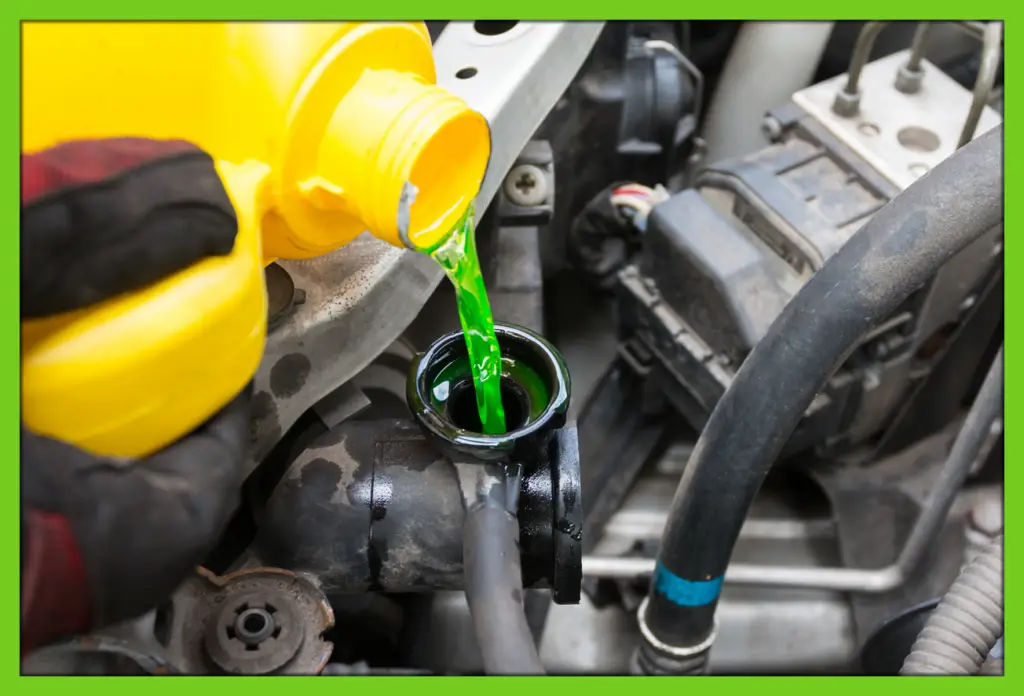
- Dark green
Common HOAT Coolant Colors
- Yellow
- Blue
- Turquoise
- Pink
- Purple
Always confirm coolant compatibility using:
- Owner’s manual specifications
- Manufacturer coolant standards
- Product labeling details
Coolant Safety Tips
Follow these best practices when checking or adding coolant:
- Never open a radiator cap while the engine is hot
- Allow the engine to cool completely before servicing
- Use a funnel to avoid contamination
- Fill coolant to the recommended “Full” level
- Recheck levels after several drive cycles
- Always verify coolant type before adding more fluid
- When in doubt, perform a coolant flush
If you are unsure what coolant your vehicle requires, consult your owner’s manual or speak with a qualified technician.
Why Trust TNT Customs for Cooling System Service
TNT Customs Mechanics are experienced in diagnosing cooling system issues and identifying proper coolant specifications for a wide range of vehicles, including Jeep, truck, and performance applications.
We provide:
- Cooling system inspections
- Professional coolant flush services
- Manufacturer-recommended coolant replacement
- Preventative maintenance guidance
- Honest recommendations from certified mechanics
Our goal is to help you avoid costly repairs and keep your vehicle performing reliably in all driving conditions.
.