Ensuring Your Vehicle’s Electrical System Is Running Smoothly
Why Alternator Maintenance Matters
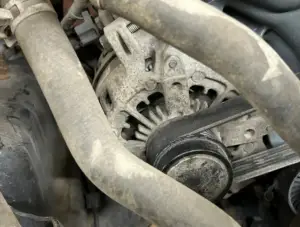
Your vehicle’s alternator is one of the most important components of the electrical system. While it often gets overlooked, the alternator is responsible for charging the battery and supplying consistent electrical power to everything from your headlights to your air conditioning. When it begins to fail, your vehicle can experience unreliable performance, unexpected stalling, and even complete electrical shutdown.
At TNT Customs in Cheyenne, Wyoming, we help drivers stay ahead of alternator problems with preventive inspections and expert diagnostics. Understanding the symptoms of alternator trouble can help you avoid breakdowns whether you’re commuting, hauling gear, or heading out for a weekend of off-roading.
Signs Your Alternator May Need Attention
1. Dashboard Warning Lights
If the battery light, ALT light, or check engine light comes on, your alternator may not be charging properly. These indicators often show up before major electrical failures begin.
2. Flickering or Dimming Lights
Headlights or interior lights that flicker, dim, or surge in brightness are a classic symptom of voltage instability. This usually points to an alternator that is struggling to maintain consistent output.
3. Battery Keeps Dying
If you frequently jump-start your battery or a new battery fails prematurely—the issue is often a failing alternator. Without proper charging, even a healthy battery cannot operate for long.
4. Unusual Noises
Grinding, whining, or rumbling from under the hood may indicate worn alternator bearings or internal component failure. These noises typically worsen over time.
5. Electrical System Malfunctions
Your alternator powers all onboard electronics while the engine is running. If you notice issues such as:
-
Slow power windows
-
Erratic infotainment screens
-
Weak A/C output
-
Radio cutting out
…it may indicate an unsteady electrical supply.
6. Burning Smells
A strong burning rubber smell could mean a slipping alternator belt. A burning wire odor may be a sign of overheating or damaged wiring both serious concerns requiring immediate inspection.
How Alternator Problems Affect Vehicle Performance
A failing alternator can lead to:
-
Reduced engine performance
-
Poor fuel efficiency due to misfires or incorrect sensor readings
-
Loss of power steering (on certain vehicles)
-
Stalling while driving
-
Complete electrical shutdown, leaving you stranded
Because the alternator supports critical engine management systems, early diagnosis is key to preventing costly repairs.
What To Do If You Notice Alternator Trouble
Do not ignore electrical irregularities. If your vehicle shows any of the symptoms above:
-
Reduce electrical load (turn off heated seats, radio, unnecessary lighting).
-
Avoid long trips until your system is inspected.
-
Schedule a diagnostic appointment immediately.
TNT Customs provides alternator inspections, electrical system testing, and high-quality replacement options to keep your vehicle reliable in all driving conditions.
Preventive Maintenance Tips for a Healthy Alternator
-
Inspect the serpentine belt every 10,000–15,000 miles for cracks or glazing.
-
Keep battery terminals clean, as corrosion can alter charging performance.
-
Check voltage output annually or at every major service interval.
-
Monitor accessories—adding aftermarket lights, winches, or audio systems may require alternator upgrades.
-
Listen for unusual sounds during cold starts or when using high electrical loads.
Proactively maintaining your charging system helps extend battery life and prevents sudden failures.
Frequently Asked Questions (AEO-Optimized)
What are the early warning signs of a bad alternator?
Common early signs include dimming headlights, battery warning lights, difficulty starting, and unusual noises under the hood.
Can I drive with a failing alternator?
Only for a short distance. Once the battery is drained, the vehicle will stall often without warning. It’s best to head straight to a repair shop.
How often should I have my alternator checked?
Most experts recommend an annual electrical system inspection. If you frequently use off-road accessories like winches or lighting, check it more often.
What causes an alternator to fail?
Heat, worn bearings, slipping belts, electrical overload, corrosion, or simply age-related wear can all lead to alternator failure.
Can a weak alternator damage my battery?
Yes. An alternator that is undercharging or overcharging can shorten battery lifespan significantly.
How long does an alternator typically last?
Most alternators last between 80,000 and 150,000 miles, depending on driving conditions, electrical load, and maintenance habits.
Should I upgrade my alternator for off-road use?
If your Jeep or truck uses high-draw accessories like winches, onboard air, aftermarket lighting, refrigerators, or audio systems an upgraded alternator ensures consistent power and protects your electrical system.
Final Thoughts
Your alternator is central to keeping your vehicle safe and dependable. By paying attention to early signs of trouble and scheduling routine inspections, you can prevent electrical breakdowns and keep your vehicle running at peak performance.
If you suspect alternator issues or want a comprehensive electrical system check, TNT Customs in Cheyenne is here to help with expert diagnostics and trusted service.