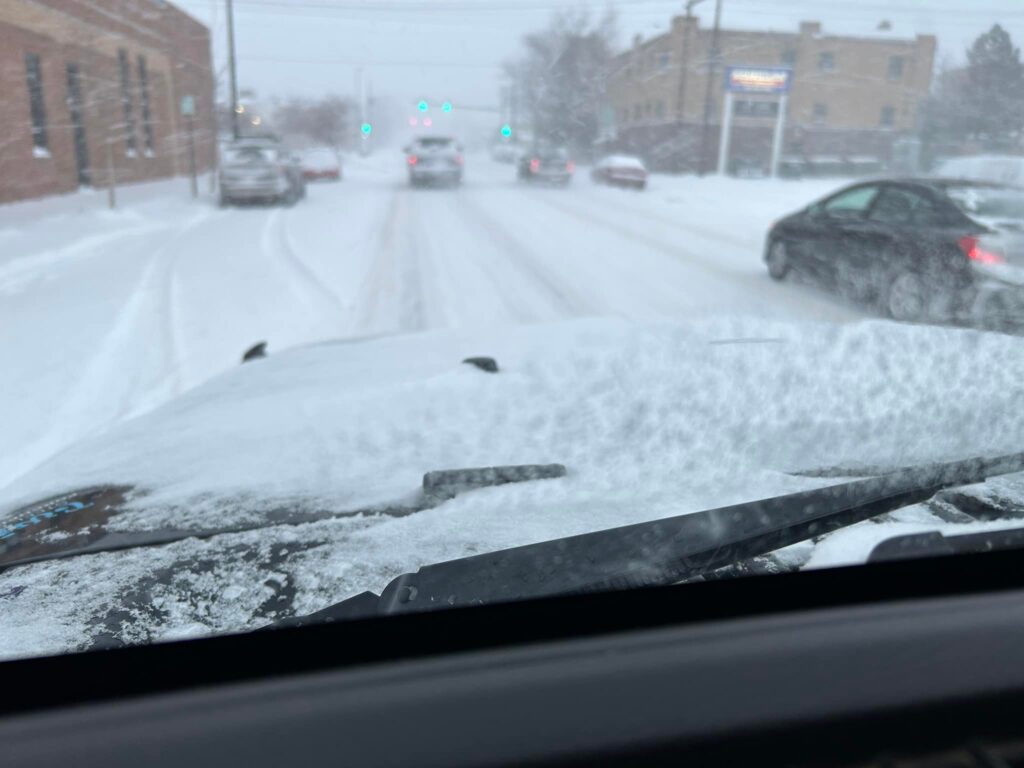
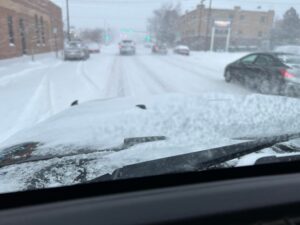
Wyoming winters can be tough on vehicles. Freezing temperatures, snow, ice, strong winds, road grime, and rapidly changing conditions can put extra stress on your battery, tires, brakes, cooling system, and other important components.
Preparing your vehicle before winter weather arrives can help prevent breakdowns and give you more confidence when driving around Cheyenne or traveling Wyoming highways.
At TNT Customs Auto Repair in Cheyenne, Wyoming, our experienced technicians work on cars, trucks, SUVs, and Jeeps that face these conditions every winter. Whether you handle some maintenance yourself or prefer to have your vehicle professionally inspected, here are the winter car care items you shouldn’t overlook.
Quick Answer: How Do I Prepare My Vehicle for a Wyoming Winter?
Before winter, check your battery, tires, brakes, coolant, heater and defroster, wipers, washer fluid, lights, belts, hoses, and 4WD/AWD system. Cold weather can expose weak batteries, lower tire pressure, reduce traction, and make existing mechanical problems more noticeable.
It’s also a good idea to protect your vehicle from winter road grime and keep an emergency kit in your vehicle, especially when traveling outside Cheyenne.
1. Check Your Coolant and Freeze Protection
Your vehicle’s cooling system isn’t just important during hot weather. Coolant also protects your engine when temperatures fall below freezing.
Before winter, check:
- Coolant level and condition
- Freeze protection
- Radiator and hoses
- Cooling-system leaks
- Thermostat operation
Rather than assuming every vehicle requires the same coolant or mixture, follow your vehicle manufacturer’s coolant specifications. Many modern coolants are sold premixed, and different vehicles require different coolant formulations.
If the coolant appears contaminated, rusty, or sludgy or you don’t know when the cooling system was last serviced have it inspected.
TNT Tip: Never remove a radiator or pressurized coolant cap while the engine is hot.
2. Inspect Your Tires Before the Snow Arrives
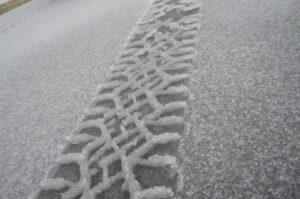
Tires become even more important when Wyoming roads turn snowy or icy.
Check all four tires for:
- Adequate tread depth
- Uneven tread wear
- Cracks or sidewall damage
- Proper inflation
- Tire age and overall condition
How Much Tread Do You Need for Winter Driving?
Although tires may still meet legal minimum tread requirements, more tread depth is beneficial for snow and slush evacuation. Many tire professionals use approximately 6/32-inch as a point where winter traction can become noticeably compromised.
If your tires are approaching that range, consider whether they’re suitable for another Wyoming winter rather than looking only at whether they’re technically worn out.
What About Winter Tires?
Dedicated winter tires are designed to remain flexible and provide traction in cold temperatures, snow, and ice. For drivers who regularly encounter Wyoming winter conditions, they may offer a significant advantage over many all-season tires.
3. Monitor Tire Pressure as Temperatures Drop
Ever notice your TPMS light come on after the first really cold Wyoming morning?
That’s not unusual.
As temperatures decrease, tire pressure generally decreases as well. A commonly used rule of thumb is approximately 1 PSI for every 10°F change in temperature, although actual changes can vary.
Check tire pressure when the tires are cold and inflate them according to the vehicle manufacturer’s recommended pressure, usually found on the driver’s door-jamb placard or in the owner’s manual.
Don’t automatically inflate tires to the maximum pressure printed on the tire sidewall.
For more information, read our guide to Understanding Tire Pressure.
4. Have Your Battery Tested
Cold weather is especially demanding on vehicle batteries.
Lower temperatures reduce a battery’s ability to deliver power while your engine may require more energy to crank. That’s why a battery that seemed perfectly fine during summer can struggle on a freezing morning.
Watch for:
- Slow engine cranking
- Clicking when starting
- Dim lights during startup
- Corrosion around battery terminals
- Intermittent starting problems
Battery age is useful information, but age alone doesn’t tell you whether a battery needs replacement. If your battery is several years old, testing its condition before winter can give you a much better idea of whether it’s ready for another cold season.
Keeping jumper cables or a properly maintained portable jump pack in your vehicle is also a smart winter precaution.
5. Check Your Heater and Defroster
Your heater keeps you comfortable. Your defroster helps keep you safe.
Clear visibility is essential during snow, frost, and freezing temperatures, so test your heater and front and rear defrosters before winter weather arrives.
If your heater isn’t producing enough heat or the windshield takes an unusually long time to clear, possible causes can include:
- Low coolant
- Thermostat problems
- Heater-core problems
- Blower-motor or resistor issues
- HVAC control problems
Poor heater performance can sometimes indicate a cooling-system problem, so don’t automatically assume it’s only an HVAC issue.
6. Check Your Lights and Visibility
Wyoming winters bring shorter days, snow, blowing snow, and periods of poor visibility.
Make sure your:
- Headlights
- Taillights
- Brake lights
- Turn signals
- Hazard lights
- License-plate lights
are working properly.
Also clean accumulated snow, ice, dirt, and road grime from your lights regularly. Even a functioning light isn’t as useful when it’s covered.
If your headlights don’t provide adequate visibility, have the system inspected before automatically installing brighter replacement bulbs. Headlight bulbs and housings are designed to work together, and the correct replacement matters for proper beam performance.
7. Replace Worn Wipers and Use Cold-Weather Washer Fluid
If your wipers streak, skip, chatter, or leave large sections of the windshield uncleared, replace them before winter.
Your windshield washer fluid also needs attention.
Choose a washer fluid with a freeze rating appropriate for the temperatures you expect to encounter. Products have different temperature ratings, so check the label instead of assuming every washer fluid provides adequate protection during a Wyoming winter.
Keeping an extra jug in the vehicle can also be useful during longer winter trips.
8. Inspect Your Brakes
Snow and ice reduce available tire traction, which can increase stopping distances even when your braking system is functioning properly.
You don’t want worn brakes adding another problem.
A brake inspection may include checking:
- Brake pads
- Rotors
- Calipers
- Brake fluid
- Hoses
- Related brake hardware
Have your brakes inspected if you notice grinding, squealing, vibration, pulling, increased stopping distance, or a change in brake-pedal feel.
9. Make Sure Your 4WD or AWD System Is Ready
Don’t wait until you’re sitting in several inches of snow to discover that your four-wheel-drive system isn’t working correctly.
If you drive a 4WD truck or Jeep, winter preparation may include inspecting the:
- Transfer case
- Front and rear differentials
- Driveshafts and U-joints
- CV axles
- 4WD engagement system
- Applicable fluids
And remember:
Four-wheel drive can help you get moving, but it doesn’t make you stop faster on ice.
Tires, available traction, vehicle speed, following distance, and driver input remain critical regardless of how many wheels are driven.
10. Check Your Oil and Other Vehicle Fluids
Cold temperatures can affect how fluids behave, which makes using the correct specifications especially important.
Check your:
- Engine oil
- Transmission fluid, where serviceable
- Brake fluid
- Coolant
- Power-steering fluid, where applicable
- Differential fluid
- Transfer-case fluid
- Windshield washer fluid
Follow your vehicle manufacturer’s recommended fluid type, viscosity, and service intervals.
If your vehicle is due for routine maintenance, taking care of it before winter is usually better than waiting until the coldest part of the season.
11. Inspect Belts and Hoses
Cold temperatures can be particularly unforgiving to rubber components that are already deteriorating.
Inspect belts and hoses for signs of:
- Cracking
- Fraying
- Glazing
- Bulging
- Leaking
- Excessive wear
Also pay attention to squealing or other unusual noises under the hood.
A deteriorated belt or leaking hose is much easier to address in the shop than alongside a Wyoming highway in freezing temperatures.
12. Protect Your Vehicle’s Undercarriage
Winter can be hard on more than your engine and drivetrain.
Moisture, dirt, road grime, and deicing materials can collect underneath your vehicle and contribute to corrosion over time.
Regularly washing your vehicle including the underbody when conditions allow, can help remove accumulated contaminants.
For additional protection, undercoating and rustproofing serve different purposes and may be worth considering, particularly for trucks, Jeeps, work vehicles, and vehicles you plan to keep long-term.
TNT Customs provides professional undercoating and rust protection in Cheyenne.
You can also read our guide: Rustproofing vs. Undercoating: What’s the Difference and Why Does Your Vehicle Need Both?
13. Keep a Wyoming Winter Emergency Kit in Your Vehicle
Even a properly maintained vehicle can get caught in a winter storm, highway closure, or unexpected situation.
Consider carrying:
- Warm blanket or sleeping bag
- Extra warm clothing, gloves, and hat
- Flashlight and extra batteries
- Ice scraper and snow brush
- First-aid kit
- Water and shelf-stable snacks
- Portable phone charger
- Jumper cables or jump pack
- Reflective warning devices
- Small shovel
- Appropriate traction aids
If you’re traveling through more remote areas of Wyoming, consider your route, weather forecast, fuel level, and potential travel delays when deciding what additional supplies to carry.
Wyoming Winter Car Maintenance Checklist
Before winter settles into Cheyenne, check these items:
☑ Battery tested
☑ Tires inspected
☑ Tire pressure checked
☑ Brakes inspected
☑ Coolant and freeze protection checked
☑ Heater and defroster working
☑ Wiper blades in good condition
☑ Cold-weather washer fluid filled
☑ Exterior lights working
☑ Oil and fluids checked
☑ 4WD/AWD system functioning
☑ Belts and hoses inspected
☑ Winter emergency kit stocked
A little preparation before winter can help prevent a much bigger headache when temperatures drop.
FAQs: Winter Car Care in Wyoming
How often should I check my tire pressure during winter?
Check your tire pressure at least monthly and after significant temperature changes. It’s also smart to check it before longer winter trips. Always check pressure when the tires are cold and follow your vehicle manufacturer’s recommended PSI.
Why does my TPMS light come on when it gets cold?
Cold air causes the pressure inside your tires to decrease. If a tire was already close to the TPMS threshold, a sudden temperature drop may be enough to trigger the warning light.
Don’t assume cold weather is always the only reason, however. Check all four tires to make sure you don’t have an actual leak or puncture.
Do I need winter tires in Wyoming?
Not every driver has identical needs, but dedicated winter tires can provide improved traction in cold temperatures, snow, and ice. Your vehicle, driving habits, travel routes, and typical winter conditions should all factor into the decision.
Why does my car battery struggle in cold weather?
Cold temperatures reduce a battery’s available power while starting the engine can require more energy. A weak battery may therefore show its first obvious symptoms during very cold weather.
Should I replace my battery before winter if it’s more than three years old?
Not necessarily. Battery age is one consideration, but testing the battery’s condition is more useful than replacing it solely based on age. Older batteries deserve closer attention before winter.
Can I use regular windshield washer fluid in winter?
Check the fluid’s temperature rating. For Wyoming winters, use washer fluid designed to remain functional at the temperatures you expect to encounter.
Does four-wheel drive make driving on ice safer?
Four-wheel drive can improve your ability to accelerate in slippery conditions, but it doesn’t create additional tire grip when braking. Good tires, reduced speed, increased following distance, and careful driving remain essential.
Why isn’t my heater blowing hot air?
Several issues can cause poor heater performance, including low coolant, thermostat problems, heater-core issues, blower problems, or other HVAC faults. Because some causes involve the engine cooling system, it’s worth having the problem diagnosed.
What should I have checked before winter in Wyoming?
At minimum, have your battery, tires, brakes, cooling system, heater and defroster, wipers, lights, fluids, belts, hoses, and 4WD/AWD system checked before severe winter weather arrives.
Is Your Vehicle Ready for a Wyoming Winter?
You can’t control Wyoming weather, but you can control how prepared your vehicle is for it.
Taking care of worn tires, a weak battery, questionable brakes, cooling-system problems, or a malfunctioning defroster before temperatures plunge can help reduce the chances of finding yourself stranded when conditions are at their worst.
If you’re unsure whether your vehicle is winter-ready, bring it to TNT Customs Auto Repair in Cheyenne, WY. Our team can inspect your car, truck, SUV, or Jeep and help identify what needs attention before winter arrives.
TNT Customs
807 S. Greeley Hwy, Cheyenne, WY
307-775-9565
Stay prepared. Stay maintained. Master Your Terrain.