The Essential Guide to Airing Down
What Does Airing Down Your Tires Mean?
Airing down is the process of lowering your tire pressure before driving off-road. Reducing tire pressure allows the tire to flex and create a larger contact patch with the ground, which improves traction, ride quality, and overall off-road performance.
Whether you’re navigating rocky trails, muddy roads, deep snow, or gravel backroads, airing down is one of the simplest and most effective ways to improve your vehicle’s capability.
At TNT Customs, we’ve spent decades building and wheeling Jeeps across a wide variety of terrain. One lesson we’ve learned is that proper tire pressure can make a bigger difference than many expensive modifications.
Why Is Airing Down Important for Off-Roading?
The primary benefit of airing down is increased traction.
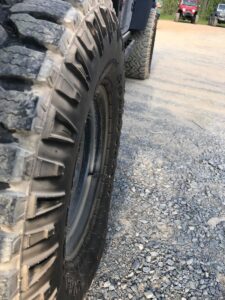
When tire pressure is reduced, the tire’s footprint expands, allowing more rubber to contact the terrain. This larger contact patch helps the tire conform to obstacles and uneven surfaces, creating better grip while reducing wheel spin.
Beginner’s Guide to Off-Roading
Ultimate Guide to Tire Care & Maintenance
Benefits of airing down include:
- Improved traction on loose and uneven terrain
- Better ride comfort over rocks and washboard roads
- Reduced risk of tire punctures from sharp impacts
- Increased tire flotation in mud, sand, and snow
- Better vehicle control and stability off-road
The Science Behind Airing Down
A fully inflated tire is relatively rigid. When you reduce air pressure, the tire becomes more flexible and can wrap around obstacles instead of bouncing off them.
This flexibility:
- Creates more traction points
- Helps absorb impacts
- Distributes vehicle weight over a larger area
- Reduces stress on suspension components
- Minimizes trail damage by reducing ground pressure
Think of it like snowshoes. A larger surface area spreads weight more effectively, helping prevent sinking into soft terrain.
How Does Airing Down Help in Different Types of Terrain?
Mud
In muddy conditions, a larger tire footprint helps the vehicle float over soft surfaces instead of digging down into them.
Benefits in mud include:
- Increased flotation
- Improved forward traction
- Reduced likelihood of getting stuck
- Better self-cleaning action from the tire tread
Snow
Lower tire pressure allows the tire to spread across the snow rather than cutting deeply into it.
Benefits in snow include:
- Improved flotation
- Better grip on packed snow
- Increased traction on icy surfaces
- More predictable handling
Rocks
Rock crawling is where airing down often provides the most noticeable improvement.
An aired-down tire can conform around rocks, creating additional contact points and improving grip.
Benefits on rocky terrain include:
- Better traction during climbs
- Increased stability
- Reduced risk of tire punctures
- Less chance of wheel damage from impacts
Gravel Roads
Even if you’re not tackling difficult trails, airing down can improve comfort and control on long gravel roads.
Benefits on gravel include:
- Reduced vibration
- Improved ride quality
- Better traction on loose surfaces
- Increased driver confidence
What Tire Pressure Should You Air Down To?
There is no single pressure that works for every vehicle, tire, and terrain.
Common starting points include:
| Terrain | Typical Tire Pressure Range |
|---|---|
| Gravel Roads | 25-30 PSI |
| Rocky Trails | 15-20 PSI |
| Mud | 12-18 PSI |
| Snow | 10-18 PSI |
| Sand | 8-15 PSI |
Always consider:
- Tire size
- Tire construction
- Vehicle weight
- Wheel size
- Driving speed
Important: Never drive highway speeds on aired-down tires.
How Low Can You Safely Air Down?
The lowest safe pressure depends on your tire and wheel setup.
For most Jeep owners running standard wheels:
- 15 PSI is a common starting point.
- 12 PSI provides additional traction in many conditions.
- Below 10 PSI increases the risk of losing a tire bead unless beadlock wheels are used.
If you’re unsure, start conservatively and adjust based on trail conditions and experience.
Essential Airing Down Equipment
Before heading off-road, carry these tools:
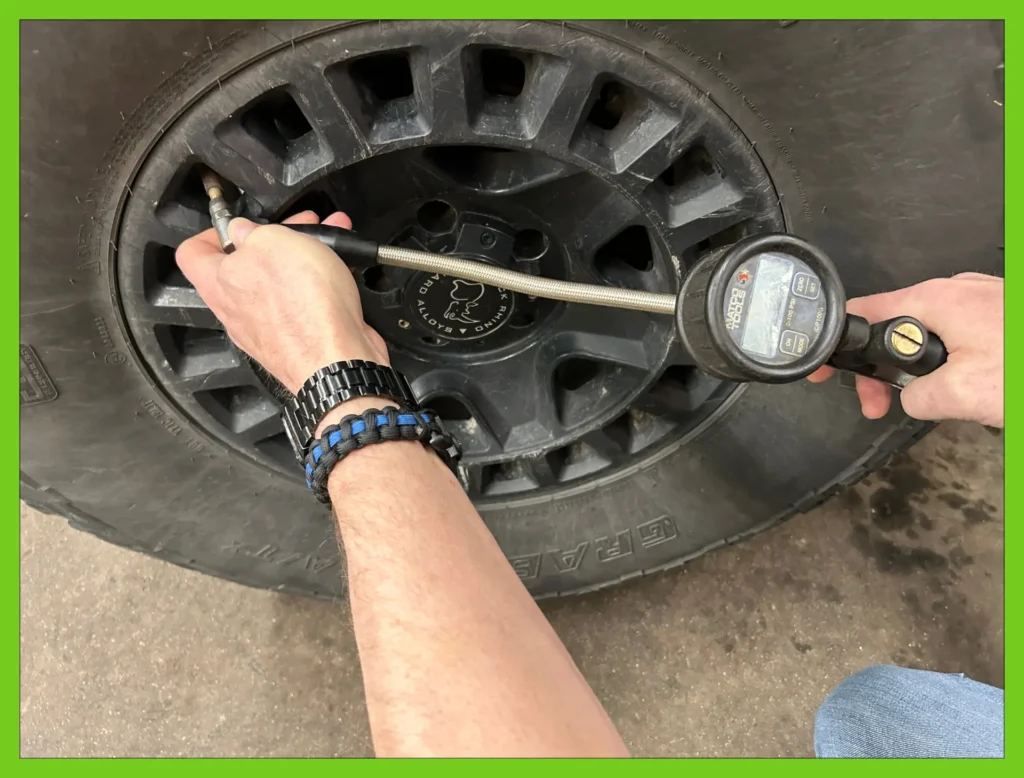
Tire Pressure Gauge
A quality gauge helps ensure consistent and accurate tire pressures.
Tire Deflator
A tire deflator allows you to quickly reduce pressure without constantly checking the gauge.
Portable Air Compressor
A compressor is essential for reinflating tires before returning to pavement.
Tire Repair Kit
Even with proper tire pressure, off-road adventures can lead to punctures. A quality repair kit should always be part of your recovery gear.
Common Airing Down Mistakes
Avoid these mistakes:
- Airing down without a way to reinflate
- Driving too fast with low tire pressure
- Going lower than your wheel and tire setup can safely handle
- Forgetting to check tire pressure before heading home
- Using trail pressure on paved roads
Final Thoughts
Airing down is one of the easiest ways to improve your off-road experience. Whether you’re exploring mountain trails, navigating muddy backroads, tackling rocky obstacles, or driving through snow, proper tire pressure can dramatically improve traction, comfort, and vehicle control.
At TNT Customs, we’ve seen firsthand how a simple tire pressure adjustment can transform trail performance. Before your next off-road adventure, take a few minutes to air down and experience the difference for yourself.
Remember: the best tire pressure is the one that matches your vehicle, your tires, and the terrain you’re driving.
Master Your Terrain—one PSI at a time.
Frequently Asked Questions About Airing Down Tires
Is airing down bad for tires?
No. When done properly, airing down can actually reduce stress on tires by allowing them to absorb impacts rather than transferring force directly into the tire carcass.
Do I need beadlock wheels to air down?
No. Most off-road enthusiasts air down safely without beadlocks. However, beadlock wheels allow you to run significantly lower tire pressures with less risk of losing a bead.
Can I drive on the highway after airing down?
No. Tires should always be reinflated to the manufacturer’s recommended pressure before driving at highway speeds.
Does airing down improve ride quality?
Yes. Lower tire pressure allows the tires to absorb bumps and trail obstacles, resulting in a smoother ride.
What happens if I don’t air down for off-roading?
Your vehicle may experience reduced traction, a rougher ride, increased wheel spin, and a greater risk of tire or wheel damage on challenging terrain.