Essential Maintenance Tips Every Car Owner Should Know
Regular vehicle maintenance doesn’t have to be complicated. Learning a few basic DIY car care tasks can help extend the life of your vehicle, improve safety, and potentially prevent expensive repairs.
At TNT Customs , our technicians regularly see small maintenance issues turn into major repairs because they were overlooked. These simple car maintenance tips can help you stay ahead of problems and keep your vehicle running reliably.
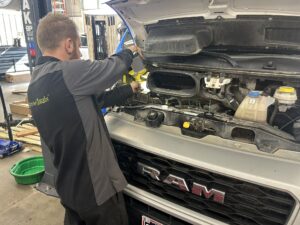
Checking Fluid Levels:
Why Is Basic Car Maintenance Important?
Routine maintenance helps:
- Improve vehicle safety
- Increase fuel efficiency
- Extend engine life
- Reduce unexpected breakdowns
- Save money on costly repairs
Even if you’re not mechanically inclined, there are several maintenance tasks that most vehicle owners can perform at home.
How Do You Check Vehicle Fluid Levels?
Fluids are the lifeblood of your vehicle. Low or contaminated fluids can lead to serious mechanical issues.
Engine Oil
- Park on level ground and turn off the engine.
- Allow the engine to cool for a few minutes.
- Remove the dipstick and wipe it clean.
- Reinsert the dipstick completely.
- Pull it out again and check the oil level.
Pro Tip: If the oil appears gritty, extremely dark, or smells burnt, it may be time for an oil change.
Coolant
Locate the coolant reservoir and verify the fluid level falls between the MIN and MAX markings.
Important: Never remove a radiator cap while the engine is hot.
Recommended Reading: Oat vs Hoat Coolant
Brake Fluid
Check the brake fluid reservoir and ensure the fluid remains between the recommended fill lines.
Warning Signs:
- Soft brake pedal
- Brake warning light
- Unusual braking performance
These symptoms should be inspected by a professional immediately.
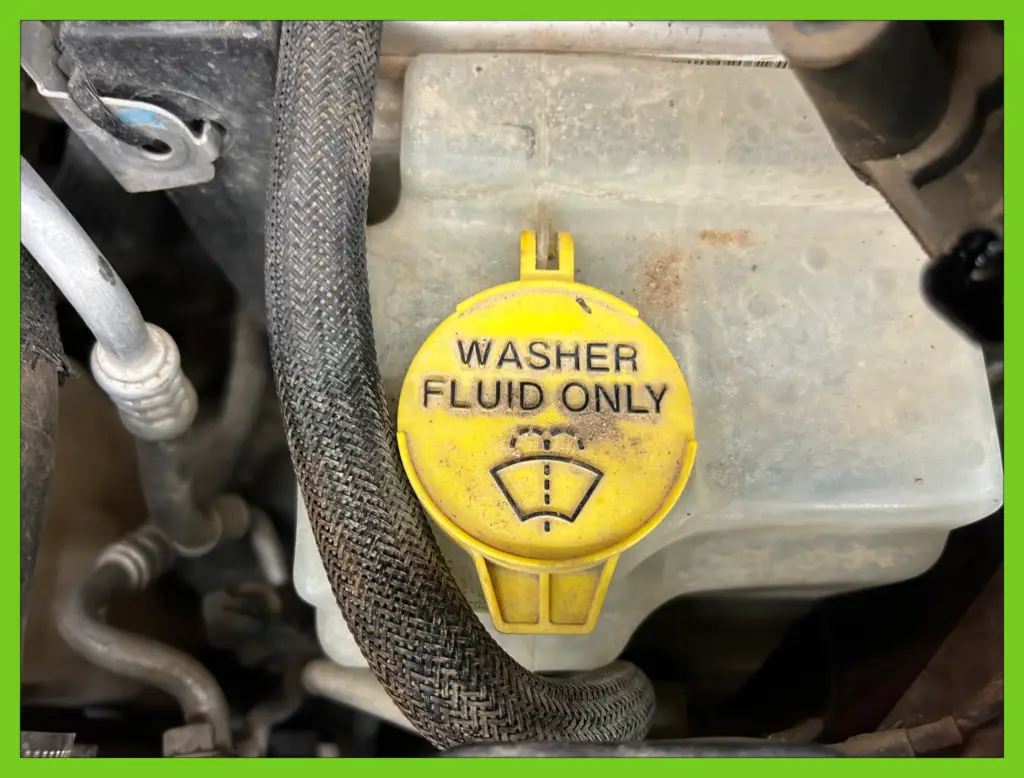
Windshield Washer Fluid
Refill washer fluid as needed to maintain visibility during adverse weather conditions.
How Often Should You Replace Wiper Blades?
Most wiper blades should be replaced every 6 to 12 months.
Steps to Replace Wiper Blades
- Lift the wiper arm away from the windshield.
- Press the release tab.
- Remove the old blade.
- Install the new blade according to the manufacturer’s instructions.
- Gently lower the arm back onto the windshield.
Replace your wipers if they:
- Leave streaks
- Skip across the glass
- Make excessive noise
- Show visible cracking
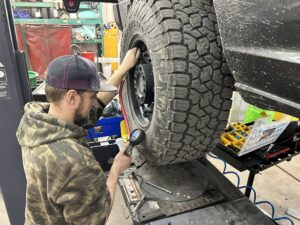
What Is the Correct Tire Pressure for Your Vehicle?
Proper tire pressure improves:
- Tire life
- Fuel economy
- Vehicle handling
- Overall safety
How to Check Tire Pressure
- Use a quality tire pressure gauge.
- Check all four tires and the spare.
- Compare readings to the sticker inside the driver’s door jamb.
- Add or release air as necessary.
Best Practice: Check tire pressure when tires are cold for the most accurate reading.
Signs of Incorrect Tire Pressure
- Uneven tire wear
- Poor fuel economy
- Vehicle pulling to one side
- Tire pressure warning light
How Do You Inspect and Replace an Engine Air Filter?
A clean air filter helps maintain engine performance and fuel efficiency.
Air Filter Inspection Steps
- Locate the air filter housing.
- Open the housing.
- Remove the filter.
- Inspect for dirt, debris, or discoloration.
- Replace if dirty.
Many manufacturers recommend checking the air filter every 12,000 to 15,000 miles, although dusty conditions may require more frequent replacement.
How Can You Tell If an Engine Belt Needs Replacement?
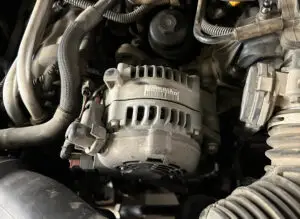
Engine belts are critical for operating accessories such as:
- Alternator
- Water pump
- Power steering system
- Air conditioning
Inspect Belts for:
- Cracks
- Fraying
- Glazing
- Missing ribs
If you notice any of these issues, schedule a replacement before a failure leaves you stranded.
Why Should You Regularly Check Vehicle Lights?
Working lights help you see and be seen.
At least once a month, inspect:
- Headlights
- High beams
- Brake lights
- Turn signals
- Reverse lights
- License plate lights
Replace any dim or burned-out bulbs promptly.
What’s the Best Way to Keep Your Vehicle Clean?
Regular washing helps protect paint and reduce corrosion.
Exterior Cleaning Tips
- Use automotive-specific soap
- Wash road salt off frequently during winter
- Use microfiber towels to avoid scratches
- Apply wax or paint protection periodically
Interior Cleaning Tips
- Vacuum carpets and seats
- Clean dashboard surfaces
- Remove trash regularly
- Condition leather surfaces when applicable
Keeping your vehicle clean can help preserve its value and appearance.
When Should You Visit a Professional Mechanic?
DIY maintenance is great for routine upkeep, but some repairs require professional equipment and expertise.
Schedule a professional inspection if you notice:
- Check engine light
- Brake warning lights
- Fluid leaks
- Unusual noises
- Excessive vibration
- Steering or braking concerns
The experienced technicians at TNT Customs can help diagnose and repair issues before they become major problems.
Frequently Asked Questions About DIY Car Care
What maintenance should every car owner do regularly?
Every vehicle owner should regularly check:
- Engine oil
- Coolant
- Brake fluid
- Tire pressure
- Wiper blades
- Air filters
- Exterior lights
How often should I check my vehicle’s fluid levels?
Most vehicle owners should check fluid levels at least once a month and before long road trips.
Is it safe to add coolant yourself?
Yes, but only when the engine is completely cool. Never remove a radiator cap from a hot engine.
How often should tire pressure be checked?
Check tire pressure at least once a month and whenever temperatures change significantly.
How long do windshield wiper blades last?
Most wiper blades last between 6 and 12 months depending on climate and usage.
What are the signs of a dirty engine air filter?
Common signs include:
- Reduced fuel economy
- Sluggish acceleration
- Dirty or discolored filter material
- Engine performance issues
Can low tire pressure affect fuel economy?
Yes. Underinflated tires create more rolling resistance, which can reduce fuel efficiency and accelerate tire wear.
When should I have my vehicle inspected by a professional?
If you notice warning lights, unusual noises, leaks, vibrations, or changes in braking or steering performance, schedule a professional inspection as soon as possible.
Keep Your Vehicle Running Its Best
Regular DIY maintenance can help you catch small issues before they become expensive repairs. By checking fluids, monitoring tire pressure, replacing worn components, and keeping your vehicle clean, you can improve reliability and extend the life of your vehicle.
If you’re unsure about a maintenance item or need professional assistance, the team at TNT Customs is here to help keep your vehicle safe and road-ready.